

Zoeken
Filteren op
Type
Labels
Dossiers
Thema's
Afdelingen
Language
Active filters
1799 zoekresultaten
Zoekresultaten
-
Duurzaam poepen
Een stortbak bevat zo'n 10 liter water. Zonde om weg te spoelen, maar wat is het alternatief?
-
Microbiële Ecologie
The overall aim of the ME-department is to understand the diversity and functions of microorganisms in natural and managed ecosystems.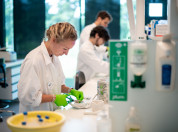
-
Afvalwater als grondstof
Er zijn allerlei soorten afvalwater. Maar niet alles is vies, en toiletwater is zelfs een bron van energie!
-
Highlights
Een aantal highlights van het NIOO-KNAW gebouw.
-
Hochstetter Forland
Metadata of the study site Hochstetter Forland (HSF), Greenland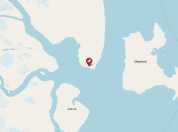
-
Hole-breeding passerines monitoring: Oosterhout
Oosterhout is the last of four areas in NIOO-AnE's long-term monitoring research on great tits and other bird species. Research there started in 1956, one year after the other three areas. It consists of deciduous forest of mainly oak trees on a country estate of about 8 ha, and has a rich clay-sandy-loam soil. Oosterhout has around 150 nestboxes.
-
Thesis defence Magali Frauendorf
Magali Frauendorf (Animal Ecology) will defend her thesis on Wednesday 14 September 2022 at Radboud University.
-
Thesis defence Magali Frauendorf
Magali Frauendorf (Animal Ecology) will defend her thesis on Wednesday 14 September 2022 at Radboud University.
-
Hole-breeding passerines monitoring: Vlieland
Vlieland is one of four areas in NIOO-AnE's long-term monitoring research on great tits and other bird species that started in 1955. It consists of several smaller forest areas, which together cover about 250 ha of mainly conifers and oak on poor sandy soil. As Vlieland is an island in the Wadden Sea, the area stands completely on its own. Important population questions in NIOO's long term research are/were studied here.
-
Hole-breeding passerines monitoring: Hoge Veluwe
Hoge Veluwe is one of four areas in NIOO-AnE's long-term monitoring research on great tits and other bird species that started in 1955. It consists of a large forest area of more than 350 ha of mainly conifers and oak on poor sandy soil. This area is part of the largest forest complex in the Netherlands, De Veluwe. Most of the questions in NIOO's long-term research are/were studied here. Every breeding season, many students and researchers are involved in doing field work at Hoge Veluwe.