Ate Hendrik-Jan Jaarsma

Dr. Ate Hendrik-Jan Jaarsma

Bezoekadres

Droevendaalsesteeg 10
6708 PB Wageningen

+31 (0) 317 47 34 00

The Netherlands

Netwerk

Over

As part of the CLIMET project, I am working on microbial interactions in Greenlandic lakes, and their influence on methane emissions.

Biografie

I’m a microbiologist with a special interest in Arctic microbes and the surprising things they can do. During my PhD, I worked on the Greenland Ice Sheet, where I studied the diversity of these cold-adapted communities and the molecules they produce—both what they mean for microbial ecology and how they might be useful in biotechnology.

At NIOO, I’m a postdoc in the CLIMET project, where I look at the microbes that consume methane in Arctic lakes. My work is a mix of lab experiments and fieldwork, and I really value being able to see the system that we study in real life. Being out in Greenland again, sampling lakes and getting a feel for the landscape, gives me ideas and helps me understand the ecology of these microbes in a much more intuitive way.

I really enjoy being part of a big multidisciplinary team, and I’m motivated by simple curiosity about how these unique Arctic microbes live, interact with, and shape their environment.
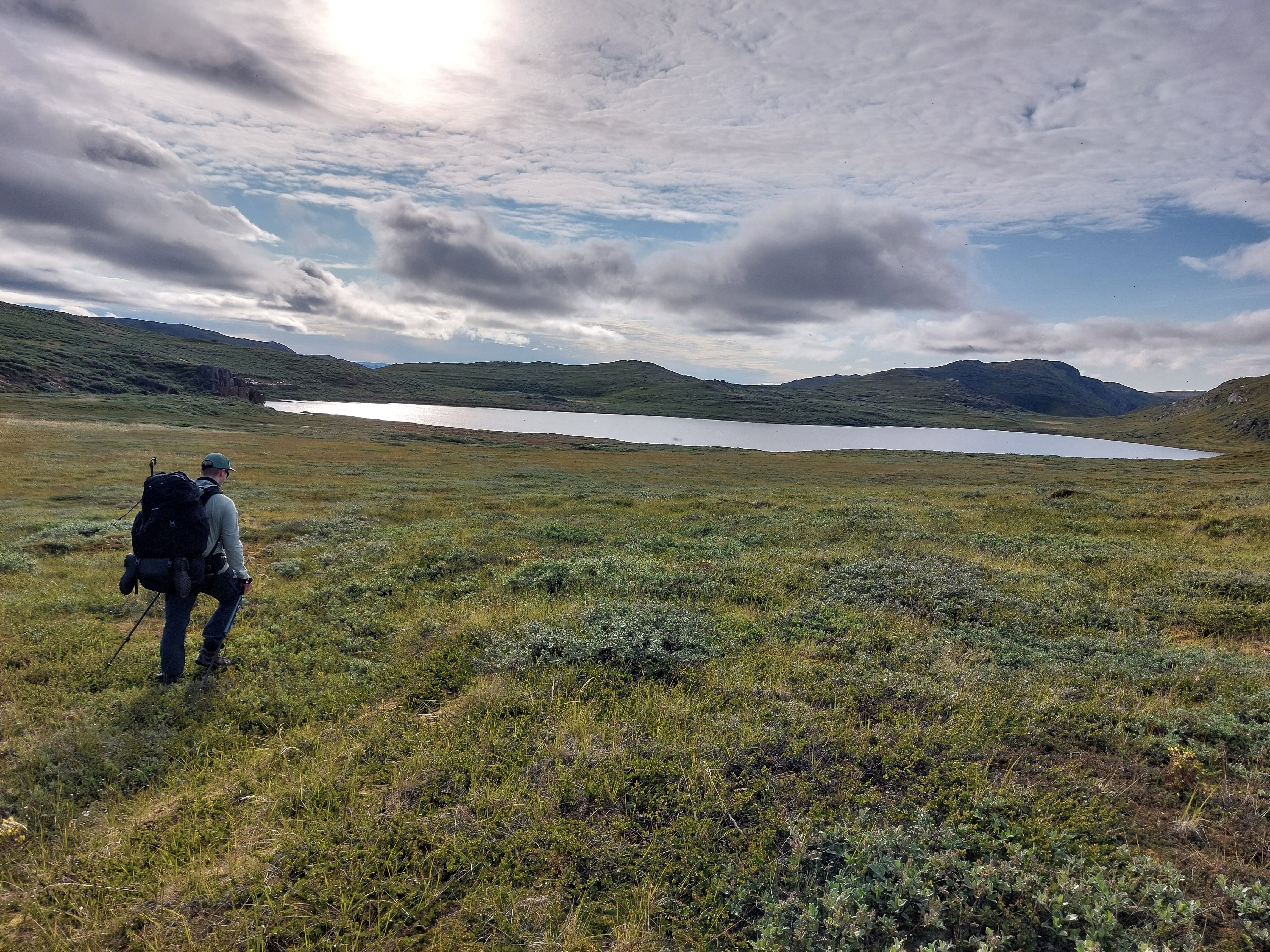
Hiking over tundra to sample lakes
Suzanne McGowan
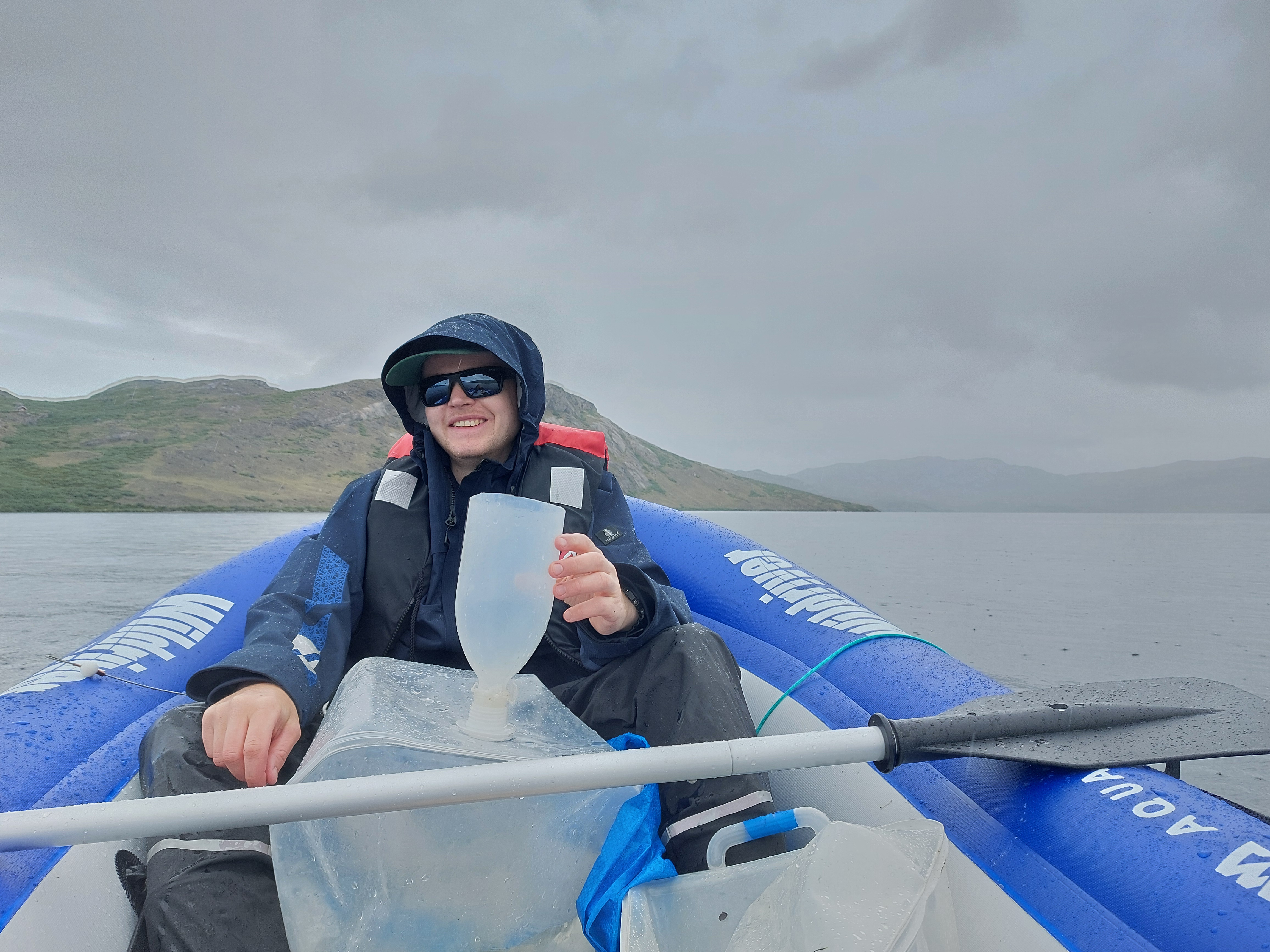
Sampling lake waters in bad weather on Lake Ferguson
Suzanne McGowan

Onderzoeksgroepen

CV

Employment

Present
Postdoc

Publicaties

Belangrijkste publicaties

  • The encoded and expressed biosynthetic potential of Greenland Ice Sheet microbes
    2025

    The encoded and expressed biosynthetic potential of Greenland Ice Sheet microbes

    A. H. Jaarsma, K. Sipes, A. Zervas, H. Feord, F. Campuzano Jiménez, M. S Thøgersen, L. G Benning, M. Tranter, A. Anesio
    Supraglacial habitats of the Greenland Ice Sheet (GrIS) harbor active microbial communities. Microbes produce a plethora of natural products, which hold great promise in biotechnology. Understudied environments such as the Greenland Ice Sheet are therefore of interest for the discovery of unknown biosynthetic gene clusters (BGCs) that encode these compounds. Though many applications of these natural products have been identified, little is known about their ecological function for the producer itself. Some hints exist toward roles in competition and environmental adaptation, yet confirmation of the expression of these BGCs in the natural environment is often lacking. Here, we investigated the expression of BGCs in supraglacial habitats of the GrIS. Using total RNA sequencing, we conducted a seasonal study to analyze metatranscriptomes of ice and cryoconite habitats over a 21-day period during the ablation season. Genome mining on metagenomic contigs identified BGCs within ice and cryoconite metagenomes, after which the metatranscriptomes were mapped to them. Our study identified a majority of previously unknown BGCs, 59% of which are actively expressed in situ, with relatively stable expression levels throughout the melting season. The 10 most highly expressed BGCs in ice were of eukaryotic origin, whereas in cryoconite, the 10 most highly expressed BGCs were prokaryote-derived. Among these was biosynthetic machinery for the production of carotenoids, terpenes, beta-lactones, and modified peptides, and their producers are likely ecosystem engineers of the supraglacial habitats, such as glacier ice or snow algae, and cyanobacteria. These findings highlight the significant, yet mostly unexplored, biosynthetic capabilities of GrIS supraglacial microbes, and suggest an active role of these BGCs in community ecology.
  • Frontiers in Microbiology
    2023

    The undiscovered biosynthetic potential of the Greenland Ice Sheet microbiome

    A. H. Jaarsma, A. Zervas, K. Sipes, F. Campuzano Jiménez, A. Claire Smith, L. Victoria Svendsen, M. S Thøgersen, et. al.
    The Greenland Ice Sheet is a biome which is mainly microbially driven. Several different niches can be found within the glacial biome for those microbes able to withstand the harsh conditions, e.g., low temperatures, low nutrient conditions, high UV radiation in summer, and contrasting long and dark winters. Eukaryotic algae can form blooms during the summer on the ice surface, interacting with communities of bacteria, fungi, and viruses. Cryoconite holes and snow are also habitats with their own microbial community. Nevertheless, the microbiome of supraglacial habitats remains poorly studied, leading to a lack of representative genomes from these environments. Under-investigated extremophiles, like those living on the Greenland Ice Sheet, may provide an untapped reservoir of chemical diversity that is yet to be discovered. In this study, an inventory of the biosynthetic potential of these organisms is made, through cataloging the presence of biosynthetic gene clusters in their genomes. There were 133 high-quality metagenome-assembled genomes (MAGs) and 28 whole genomes of bacteria obtained from samples of the ice sheet surface, cryoconite, biofilm, and snow using culturing-dependent and -independent approaches. AntiSMASH and BiG-SCAPE were used to mine these genomes and subsequently analyze the resulting predicted gene clusters. Extensive sets of predicted Biosynthetic Gene Clusters (BGCs) were collected from the genome collection, with limited overlap between isolates and MAGs. Additionally, little overlap was found in the biosynthetic potential among different environments, suggesting specialization of organisms in specific habitats. The median number of BGCs per genome was significantly higher for the isolates compared to the MAGs. The most talented producers were found among Proteobacteria. We found evidence for the capacity of these microbes to produce antimicrobials, carotenoid pigments, siderophores, and osmoprotectants, indicating potential survival mechanisms to cope with extreme conditions. The majority of identified BGCs, including those in the most prevalent gene cluster families, have unknown functions, presenting a substantial potential for bioprospecting. This study underscores the diverse biosynthetic potential in Greenland Ice Sheet genomes, revealing insights into survival strategies and highlighting the need for further exploration and characterization of these untapped resources.
  • FEMS Microbiology Ecology
    2023

    Exploring microbial diversity in Greenland Ice Sheet supraglacial habitats through culturing-dependent and independent approache

    A. H Jaarsma, K. Sipes, A. Zervas, F. Campuzano Jiménez, L. Ellegaard-Jensen, M. Thøgersen, P. Stougaard, et. al.
    The microbiome of Greenland Ice Sheet supraglacial habitats is still underinvestigated, and as a result there is a lack of representative genomes from these environments. In this study, we investigated the supraglacial microbiome through a combination of culturing-dependent and -independent approaches. We explored ice, cryoconite, biofilm, and snow biodiversity to answer: (1) how microbial diversity differs between supraglacial habitats, (2) if obtained bacterial genomes reflect dominant community members, and (3) how culturing versus high throughput sequencing changes our observations of microbial diversity in supraglacial habitats. Genomes acquired through metagenomic sequencing (133 high-quality MAGs) and whole genome sequencing (73 bacterial isolates) were compared to the metagenome assemblies to investigate abundance within the total environmental DNA. Isolates obtained in this study were not dominant taxa in the habitat they were sampled from, in contrast to the obtained MAGs. We demonstrate here the advantages of using metagenome SSU rRNA genes to reflect whole-community diversity. Additionally, we demonstrate a proof-of-concept of the application of in situ culturing in a supraglacial setting.
  • Cellular and Molecular Life Sciences
    2021

    Antiviral activities and applications of ribosomally synthesized and post-translationally modified peptides (RiPPs)

    Yuxin Fu, Ate H Jaarsma, Oscar P Kuipers
    The emergence and re-emergence of viral epidemics and the risks of antiviral drug resistance are a serious threat to global public health. New options to supplement or replace currently used drugs for antiviral therapy are urgently needed. The research in the field of ribosomally synthesized and post-translationally modified peptides (RiPPs) has been booming in the last few decades, in particular in view of their strong antimicrobial activities and high stability. The RiPPs with antiviral activity, especially those against enveloped viruses, are now also gaining more interest. RiPPs have a number of advantages over small molecule drugs in terms of specificity and affinity for targets, and over protein-based drugs in terms of cellular penetrability, stability and size. Moreover, the great engineering potential of RiPPs provides an efficient way to optimize them as potent antiviral drugs candidates. These intrinsic advantages underscore the good therapeutic prospects of RiPPs in viral treatment. With the aim to highlight the underrated antiviral potential of RiPPs and explore their development as antiviral drugs, we review the current literature describing the antiviral activities and mechanisms of action of RiPPs, discussing the ongoing efforts to improve their antiviral potential and demonstrate their suitability as antiviral therapeutics. We propose that antiviral RiPPs may overcome the limits of peptide-based antiviral therapy, providing an innovative option for the treatment of viral disease.
  • ACS Synthetic Biology
    2021

    Heterologous Expression of Mersacidin in Escherichia coli Elucidates the Mode of Leader Processing

    Jakob H Viel, Ate H Jaarsma, Oscar P Kuipers
    The lanthipeptide mersacidin is a ribosomally synthesized and post-translationally modified peptide (RiPP) produced by Bacillus amyloliquefaciens. It has antimicrobial activity against a range of Gram-positive bacteria, including methicillin-resistant Staphylococcus aureus, giving it potential therapeutic relevance. The structure and bioactivity of mersacidin are derived from a unique combination of lanthionine ring structures, which makes mersacidin also interesting from a lantibiotic-engineering point of view. Until now, mersacidin and its derivatives have exclusively been produced in Bacillus strains and purified from the supernatant in their bioactive form. However, to fully exploit its potential in lanthipeptide-engineering, mersacidin would have to be expressed in a standardized expression system and obtained in its inactive prepeptide form. In such a system, the mersacidin biosynthetic enzymes could be employed to create novel peptides, enhanced by the recent advancements in RiPP engineering, while the leader peptide prevents activity against the expression host. This system would however need a means of postpurification in vitro leader processing to activate the obtained precursor peptides. While mersacidin’s native leader processing mechanism has not been confirmed, the bifunctional transporter MrsT and extracellular Bacillus proteases have been suggested to be responsible. Here, a modular system is presented for the heterologous expression of mersacidin in Escherichia coli, which was successfully used to produce and purify inactive premersacidin. The purified product was used to determine the cleavage site of MrsT. Additionally, it was concluded from antimicrobial activity tests that in a second processing step mersacidin is activated by specific extracellular proteases from Bacillus amyloliquefaciens.

Projecten & samenwerkingen

Projecten

  • CLIMET: Climate feedbacks and methane cycling in Arctic lakes - enzymes to atmosphere

    Project 2025–2029
    Arctic lakes are important hotspots for the microbially- mediated production and cycling of methane (CH4), a potent greenhouse gas. The Arctic is warming nearly four times faster than the global average, changing polar ecosystems and with it the potential for positive or negative climate feedback effects. Rising temperatures are changing terrestrial vegetation cover, melting permafrost soils, and increasing glacial discharge from ice caps and ice sheets. Consequently, CLIMET focuses on two potential drivers of lake CH4 cycling in West Greenland that are changing rapidly as Arctic ecosystems change.
    CLIMET

Outreach

Categorieën