
SEFAP: SMART experimental facilities for aquatic processes


Details
- Department
- Aquatic Ecology
- Funding
- Dutch Research Council (NWO) programme for large research infrastructure consortia
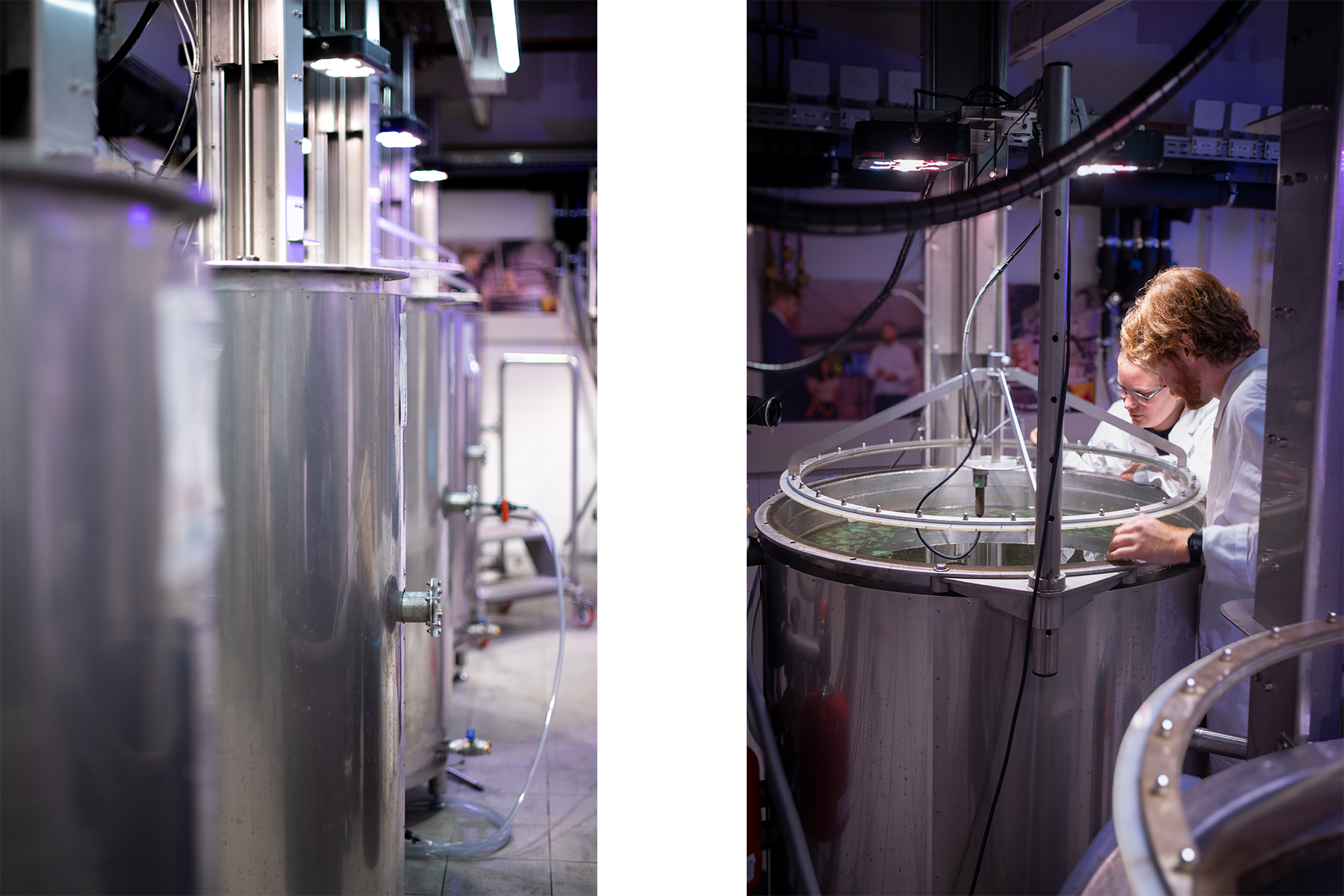
SEFAP will provide an upgrade of four major experimental mesocosm facilities that are key national assets for aquatic ecology in the Netherlands. The existing mesocosm facilities based at NIOO-KNAW, University of Leiden, Radboud University and Wageningen University and Research have arisen from several decades of research and development, target different aspects of aquatic ecosystems, and have a proven track record of delivering internationally excellent aquatic research.
New and SMART (self-monitoring, analysis and reporting) technologies including sensors, improved heating and cooling systems, automated samplers, analytical techniques and data sciences are developing rapidly but integration in mesocosm systems is currently lacking. Combining such new technologies with mesocosms will provide the step forward that is needed to tackle the escalating water quality crisis and understand its intersection with the climate and biodiversity emergencies.

For the first time, SEFAP will bring all Dutch aquatic mesocosm facilities and experts together to provide a national facility with integrated goals. New access policies will broaden the use of the facilities and standardization of data pipelines through researchers at the University of Twente and DANS-KNAW will structurally improve open science and FAIR data.
In The Netherlands “the land of water” the ecological quality of ponds, ditches, wetlands and lakes is severely degraded due to escalating and interacting anthropogenic pressures including pollutants and climate change. SEFAP unites leading Dutch aquatic experimentalists, infrastructures and data scientists to provide a step forward in collaborative science and inland water ecology. By conducting experiments in SMART-enabled replicated mini-lake ecosystems, SEFAP will enable the future of our waters to be experimentally created and tested. In combination, the technical innovation and community-building of Dutch aquatic experimentalists will strengthen the ability to predict and mitigate undesirable futures in aquatic ecosystems.
Details
- Department
- Aquatic Ecology
- Funding
- Dutch Research Council (NWO) programme for large research infrastructure consortia
Experts
-

-
Lisette de Senerpont Domis
Senior Researcher , AKWA (Aquatic Knowledge Centre Wageningen) | Aquatic Ecology
-
Steven Declerck
Senior Researcher , Aquatic Ecology
-
Nico Helmsing
Research assistant , Aquatic Ecology
-
Dedmer Van de Waal
Senior Researcher , Aquatic Ecology