Verhoeven Group
Verhoeven Group
Terrestrial Ecology


Research in the Verhoeven group focuses on plant microevolution and adaptation. We combine tools from genetics, genomics and ecology to explore the capacity of plants to adapt to rapidly changing environments. Here is an overview of ongoing or recent projects that we have been working on.
For students interested in internships in our group, please contact Koen Verhoeven
The role of plasticity and epigenetics in rapid adaptive change
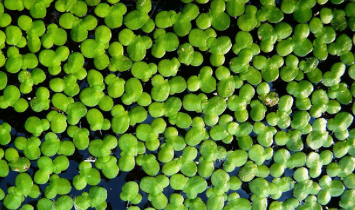
- Plant gene expression plasticity and adaptation to climate change. We use phenotypic and transcriptomic analysis and experimental evolution assays in duckweed to test if thermal gene expression plasticity is adaptive under variable and unpredictable temperature environments (postdoc project Mario Blanco-Sanchez)
- Epigenetic contribution to phenotypic plasticity in the Lombardy poplar. What is the effect of environmental stress on DNA methylation in the genome of poplar, and is there evidence that such induced DNA methylation changes regulate a gene expression response to stress? (PhD project Cristian Pena-Ponton, 2018-2023)
- Environmental and transgenerational dynamics of DNA methylation in plants with different life histories. How stable are environment-induced DNA methylation changes, and is stability different between plant species? We compare the stability of DNA methylation in plants that reproduce either sexually or asexually, to test if reproduction without germline passage results in higher transgenerational stability of epigenomes. (PhD project Morgane van Antro, 2018-2023)
Plant urban evolution: how well do plants adapt to cities?
- Botanical records through a social lens. In this project, which is in collaboration with the Meertens Institute, we explore if historical botanical records can reveal which plant species are winners and which are losers of the urbanization process (postdoc project Marina Ramos-Muñoz)
- Linking space to time in ecology: urban evolution in Dandelions. Using dandelion as a model system, we study if and how plants adapt to different aspects of urbanization, including increased temperature and habitat fragmentation in cities. We combine evolutionary ecology and (herbarium) genomics to track adaptive differences in traits and genes, both in contemporary populations and through time via herbarium collections. (postdoc project Yannick Woudstra, 2021-2023)
Plant adaptation belowground: how do plant-soil and plant-microbiome interactions mediate adaptation?
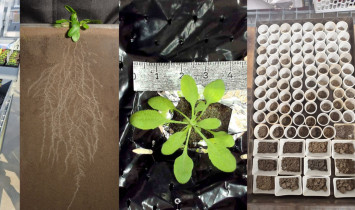
- ALLROUNDER: Dissecting the genetic basis of natural variation in root and shoot architecture as basis for breeding climate-resilient barley. Genes from crop wild relatives can help plant breeding for more climate-resilient crops. This project focuses on identifying genes in wild barley that improve performance and resilience under unpredictable droughts. We test the hypothesis that plasticity in root architecture contributes to genotypic robustness under varying water availability (PhD project with WUR Laboratories of Cell Biology and Molecular Biology)
- Towards sustainable crop breeding: unravelling soil adaptation in natural populations of Arabidopsis thaliana. We study genetic variation in root traits of Arabidopsis populations from agricultural and natural grassland sites, to test if natural soil environments select for different root traits than intensively managed soils (PhD project Yvet Boele, with WUR Laboratory of Cell Biology)
- Intraspecific variation in grass microbiome interaction. Capacity for rapid adaptation depends on the levels of relevant standing genetic variation. Is there genetic variation in ryegrass for soil microbiome interactions, and can we pinpoint plant genes that control the composition of root microbiomes? (PhD project Paola Rallo, 2019-2023)
Other research projects we are involved in:
- SoilPros: Soil biodiversity analysis for sustainable production systems (co-supervision of PhD projects Merlijn Schram and Felipe Zagatto)
- EcoRama: Ecology and evolution of species range margins. We collaborate in a European-scale, multi-site field experiment on the role of gene flow and admixture in the success at range margins in Mercurialis annua. This is a consortium led by John Pannell at the University of Lausanne