Studying the hidden world beneath our feet

Written by

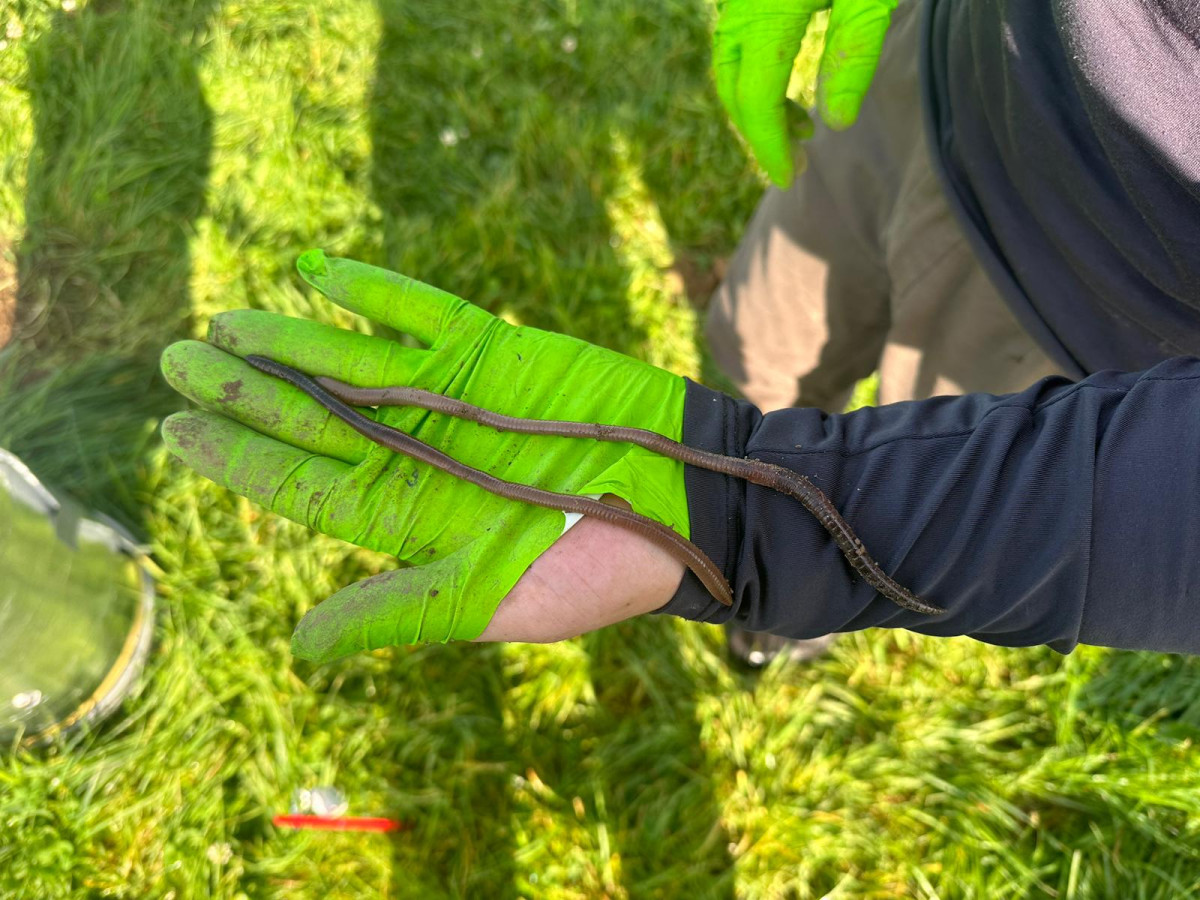
When we think about agriculture, we usually focus on what grows aboveground: the golden wheat, the green grasslands, and the tractors in the field. But beneath our feet there is a whole hidden world that is just as important. In only 1 gram of soil, there’s more living organisms than people in the world, and together, these complex communities of bacteria, fungi, protists, nematodes, earthworms, microarthropods, and many others, keep soils functioning and productive.
My passion for this hidden world started far from the Netherlands. I am originally from Brazil, where I spent my Master’s studying the microbes of the Atlantic Forest and the Brazilian Savanna. During that time, I had the chance to also join some other projects with a bigger focus in agriculture, for example, on understanding how much the microbial communities could help crops to recover from drought. We found so many nice results, which only increased my curiosity about how much impact soil organisms would have when considering whole systems. This curiosity led me to the Netherlands as a PhD candidate at NIOO, working within the SoilProS project. Here, I study how the way we manage our agricultural land, like the fertilizers we use or the crops we plant, shapes the life belowground. I’ve also became more interested in the applied side of research. That is one of the things I enjoy most about SoilProS, which brings together researchers and stakeholders from industry, government, and practice.
One of my favorite parts of my PhD so far was a side project in the Maasheggen UNESCO Biosphere Reserve. This landscape is famous for its ancient hedgerows, which have stood for over a century. These hedgerows are known as biodiversity hotspots for birds and insects, but we still know surprisingly little about how nearby land use influences the soil life beneath them. What we found was that the management of these fields next to these hedgerows matter. The microbial communities in hedgerow soils were influenced by whether the adjacent land was conservation grassland, intensive production grassland, or cropland. At the same time, hedgerow soils supported more complex and interconnected microbial communities than the adjacent intensively managed fields. This suggests that hedgerows can offer important ecological value, even though they are not fully isolated from what happens around them.
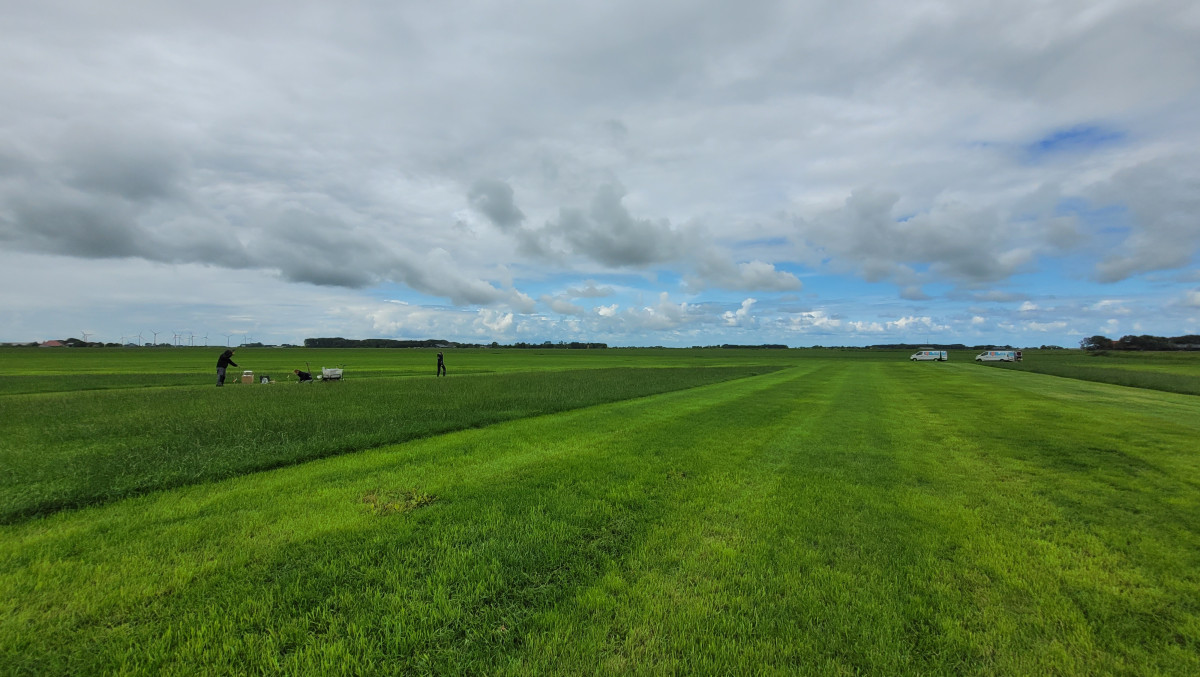
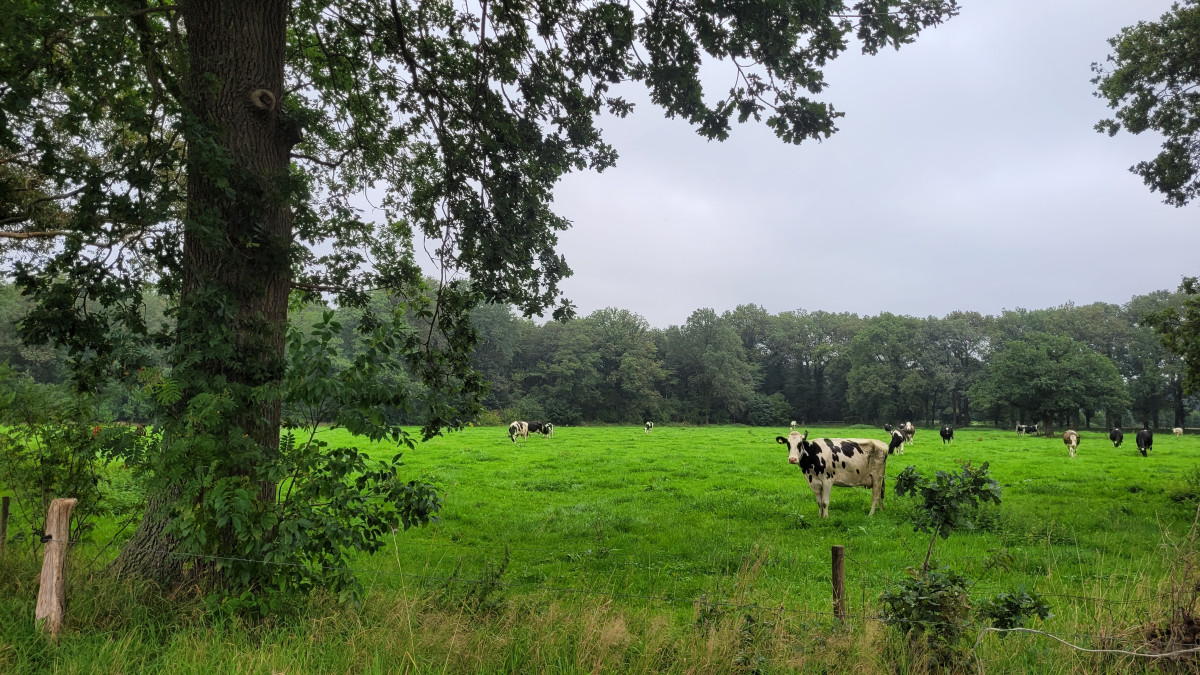
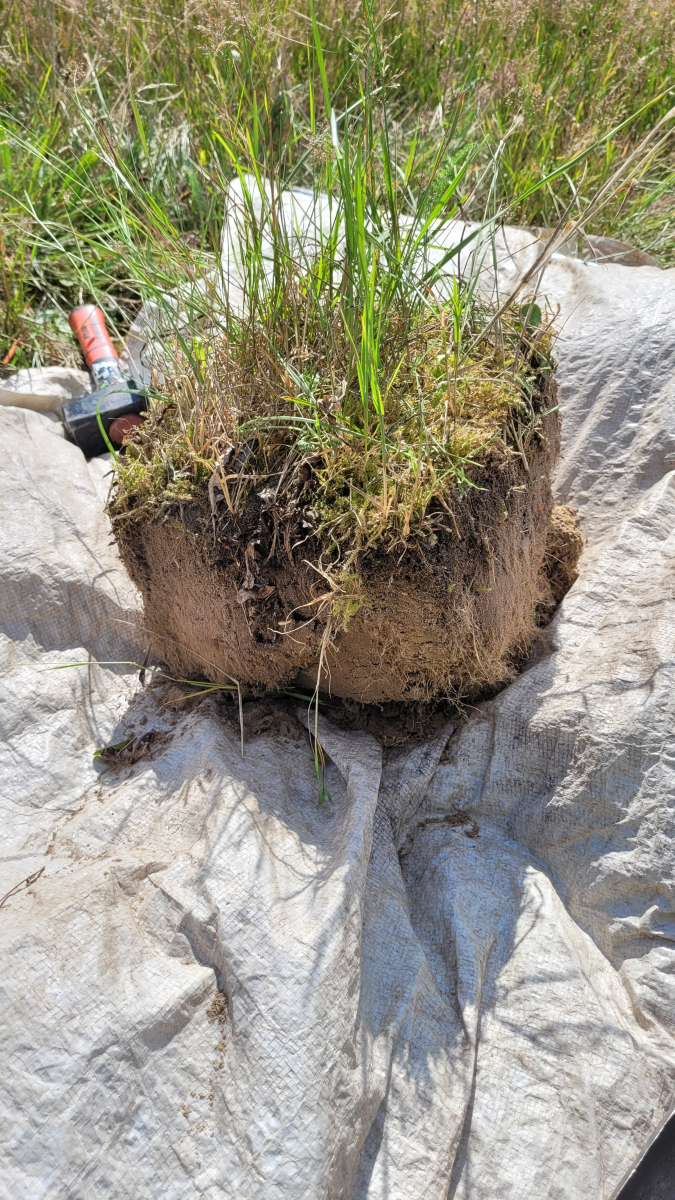
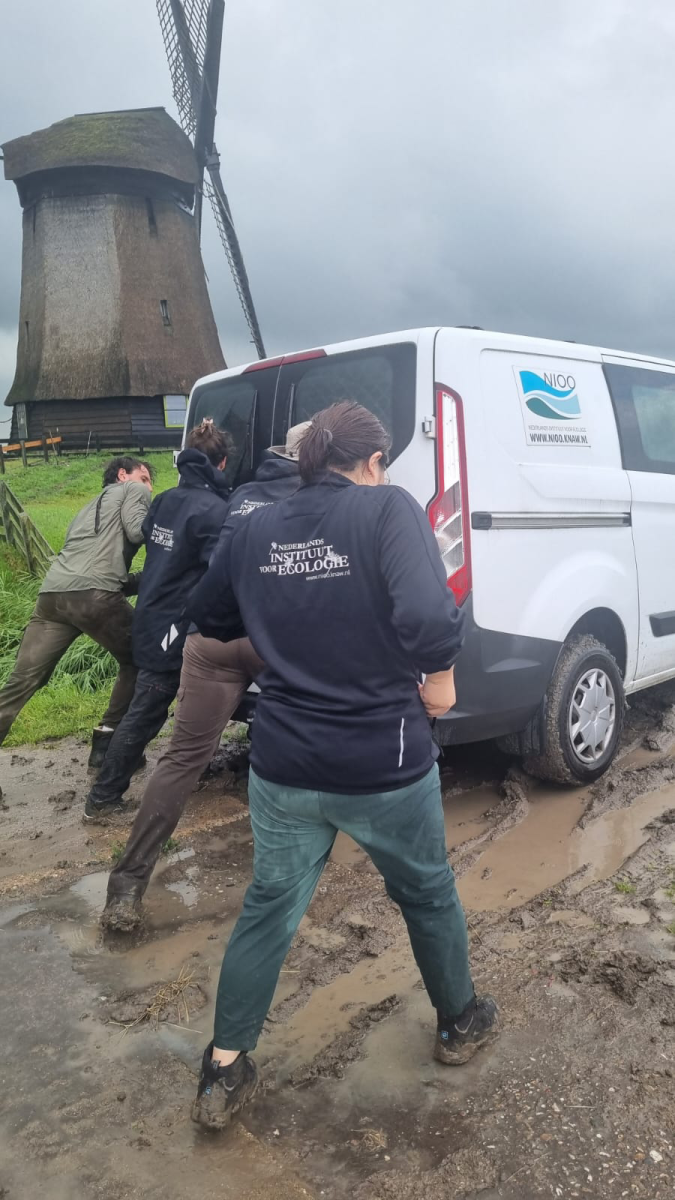
After a lot of lab work, I am diving into data from around 1000 soil samples we collected across the Netherlands. It was a fun ride to sample in so many different places and truly get to know the Dutch landscape! My goal now is to understand which management practices shape soil communities, what environmental factors drive these patterns, and how we can move toward healthier soils.