Hedges also have a positive effect underground

Hedges also have a positive effect underground


Press inquiries

More biodiversity in the soil, and a buffer against drought? Try planting hedges in the agricultural landscape. The positive effect above ground on insects and birds, for example, was already known, but there are many more effects underground. With new research, a team from the Netherlands Institute of Ecology (NIOO-KNAW) has shown that hedges have a very unique and complex microbial soil life, with a starring role for fungi.
On this International Day of Biodiversity, there is a much-needed focus on the diversity of life. Above ground, it is clearly visible, but underground biodiversity is often underexposed. What is new is that hedges strongly influence underground life.
Hawthorn
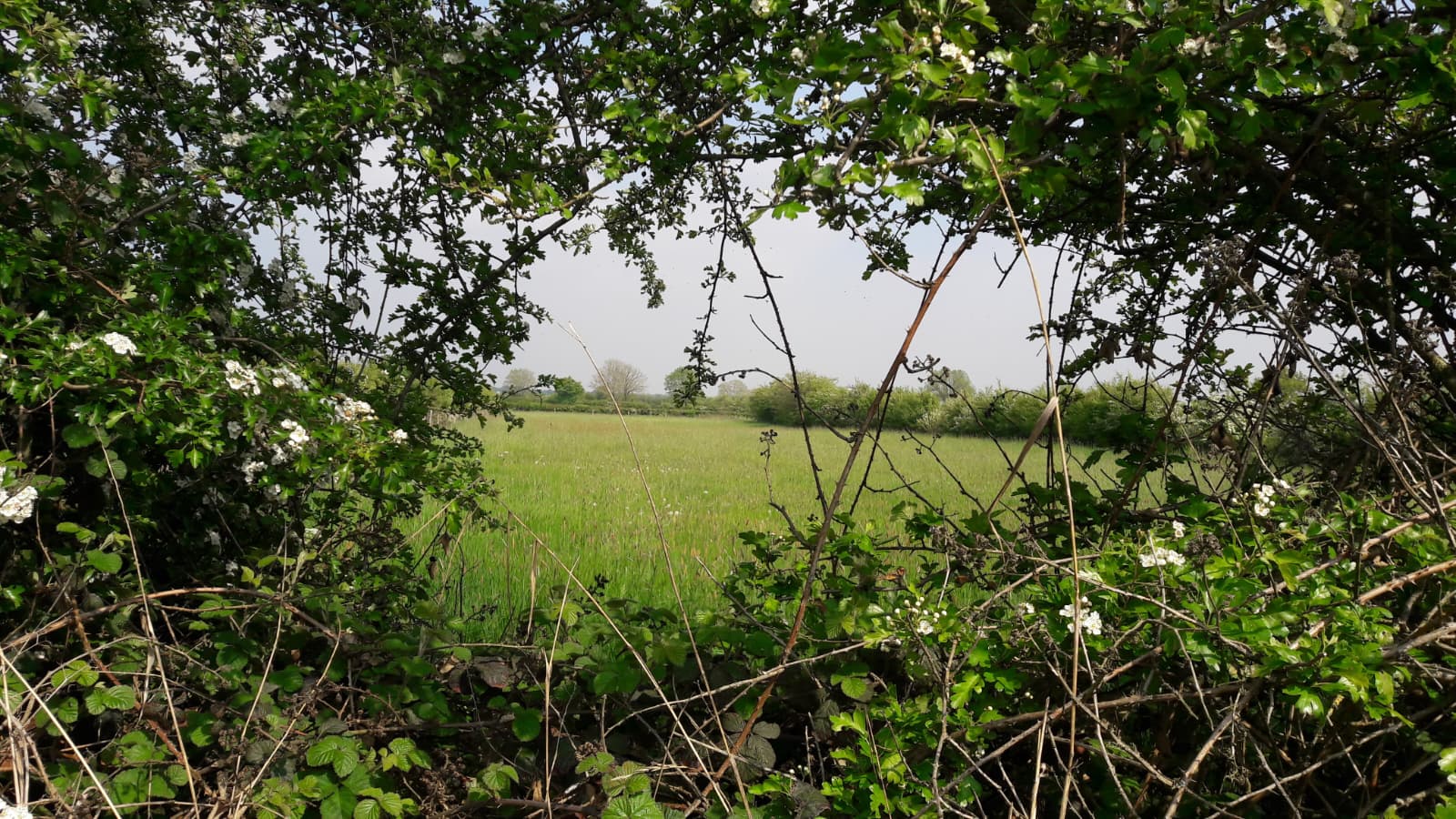
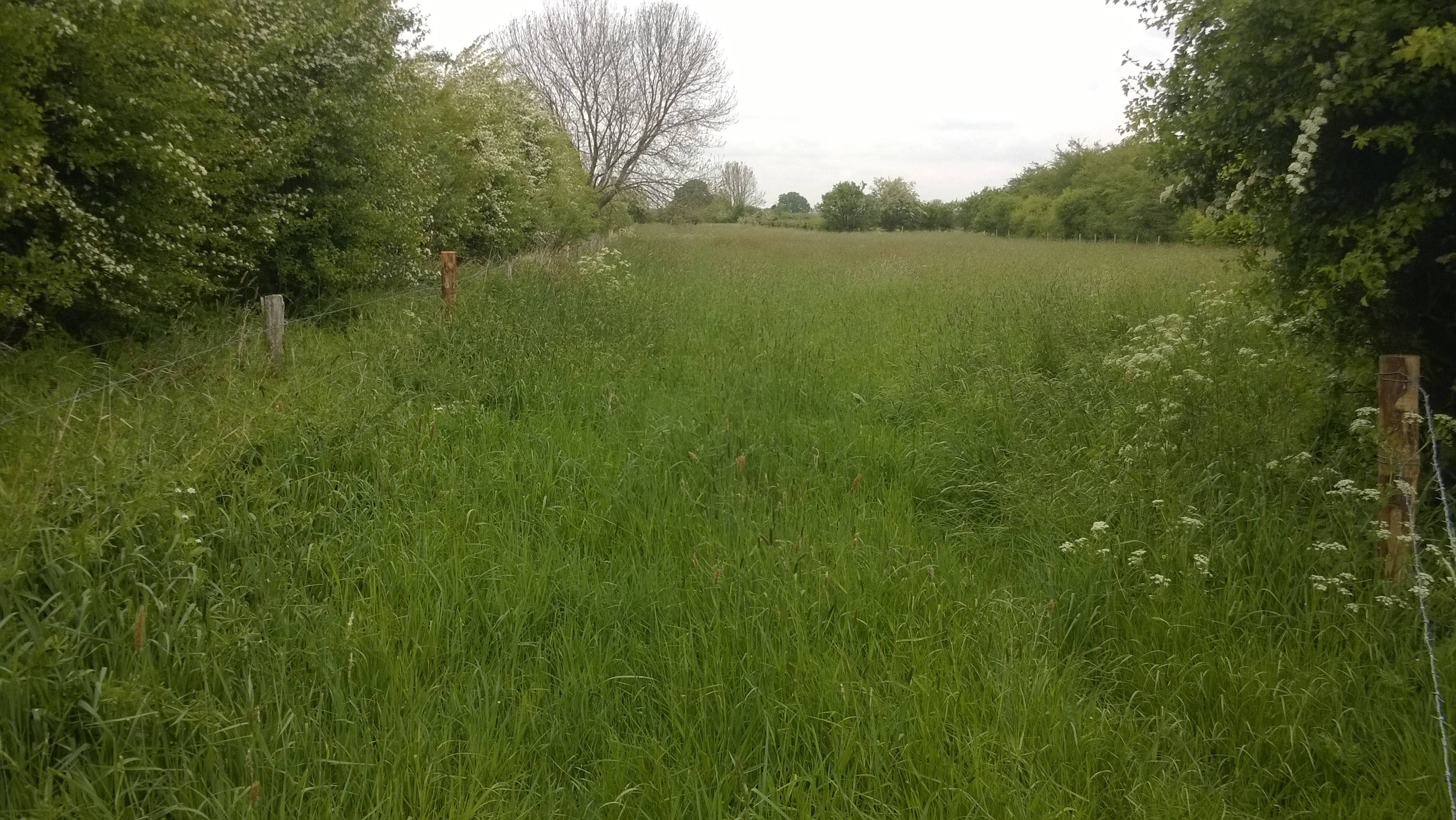
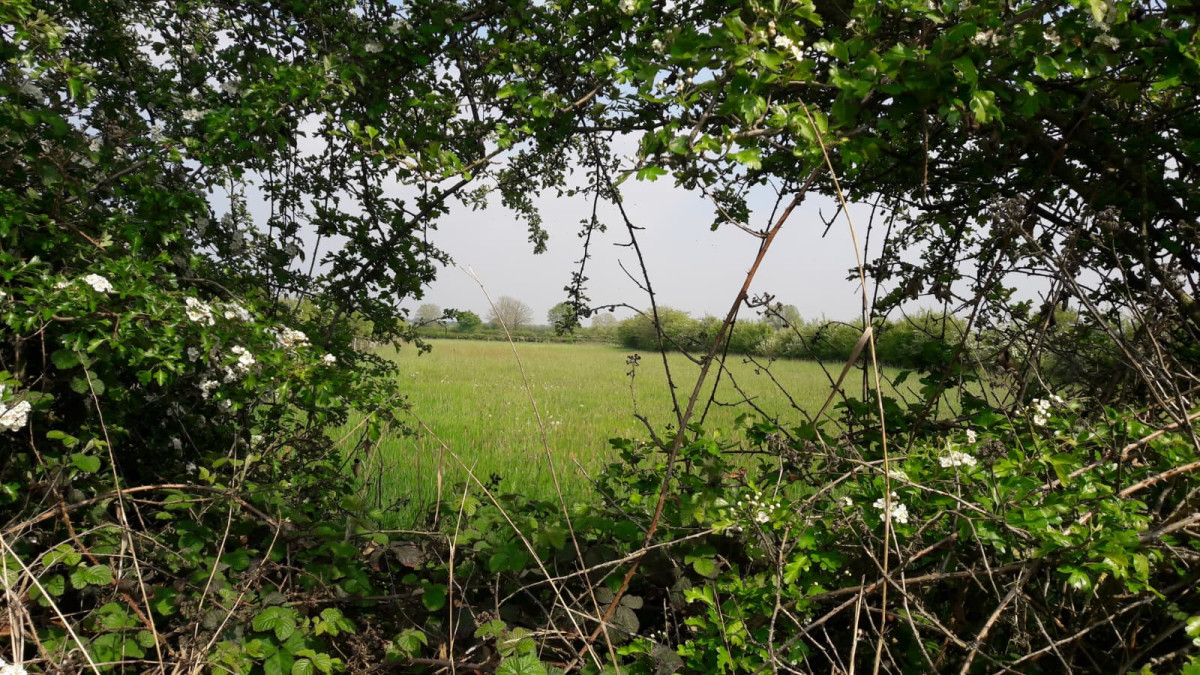
In the month of May, the hedges are in full bloom. Under those prickly hawthorns, roses and other native shrubs, there is also a lot of life to be found. "It is mainly the fungi that make the hedgerow soil special," say NIOO researchers Felipe Zagatto and Wim van der Putten. Hedges have been found to house more complex microbial networks in the soil than the agricultural fields next to them. But the soil life is still influenced by the management of the adjacent land. "Very little was known about that until now."
Bacteria react differently than fungi
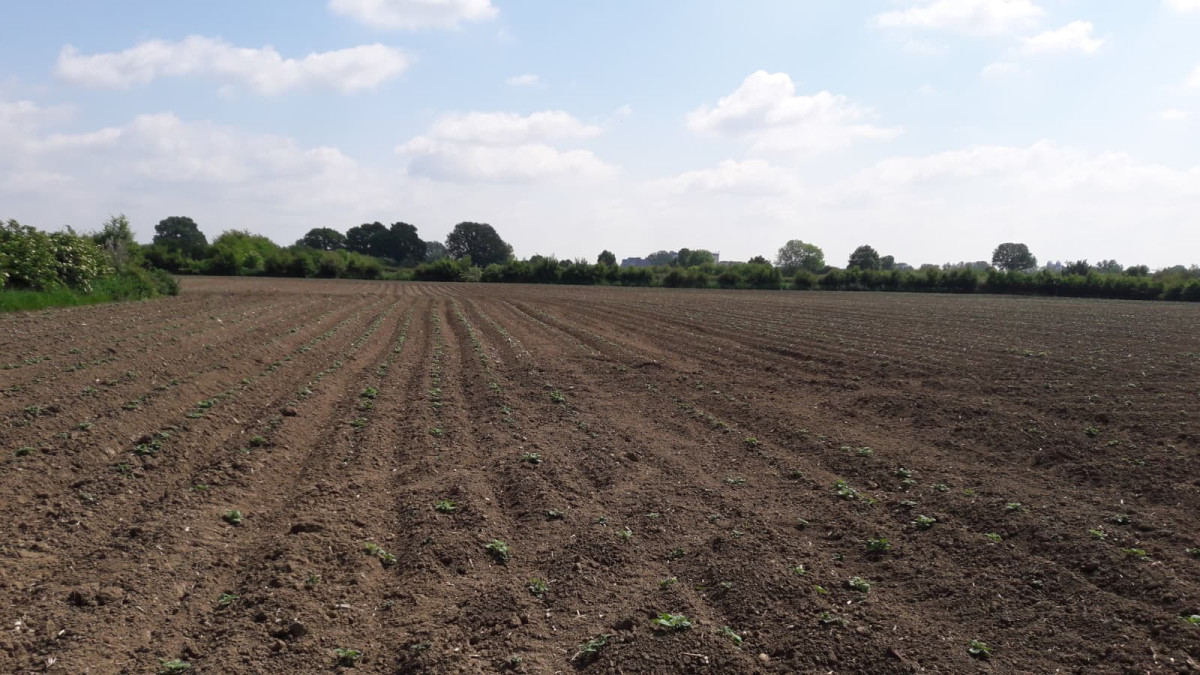
When you look at the community of soil bacteria under a hedge, you can see that it resembles the bacterial community in the field next to it. As a result, different bacteria live under a hedge next to an intensively cultivated field than under a hedge next to a semi-natural grassland. This is different with fungi. "The fungal population under hedges is only slightly influenced by the land use next to them and is very much determined by the hedge. As a result, the fungal inhabitants of several hedges are more similar," the researchers discovered. Their woody 'slow food' supplied by the hedge bushes probably plays an important role there. "Bacteria always resemble the neighbours, while the fungi are more like those of other hedges."
Water buffer for the farmer
Hedges form a special habitat for soil organisms. And that also benefits people. Van der Putten: "There are many fungi in the hedge soil that do not occur in the field. Hedges therefore contribute to soil biodiversity. But the fungi have an additional advantage, because they ensure that the soil under hedges can better absorb and retain water. This helps to make hedges less sensitive to extreme weather conditions than the fields and meadows that border them."
Also important is, that the networks of microbial soil life under the hedge are less easy to unbalance than those of intensively used fields and meadows.
Hedges of 100 years
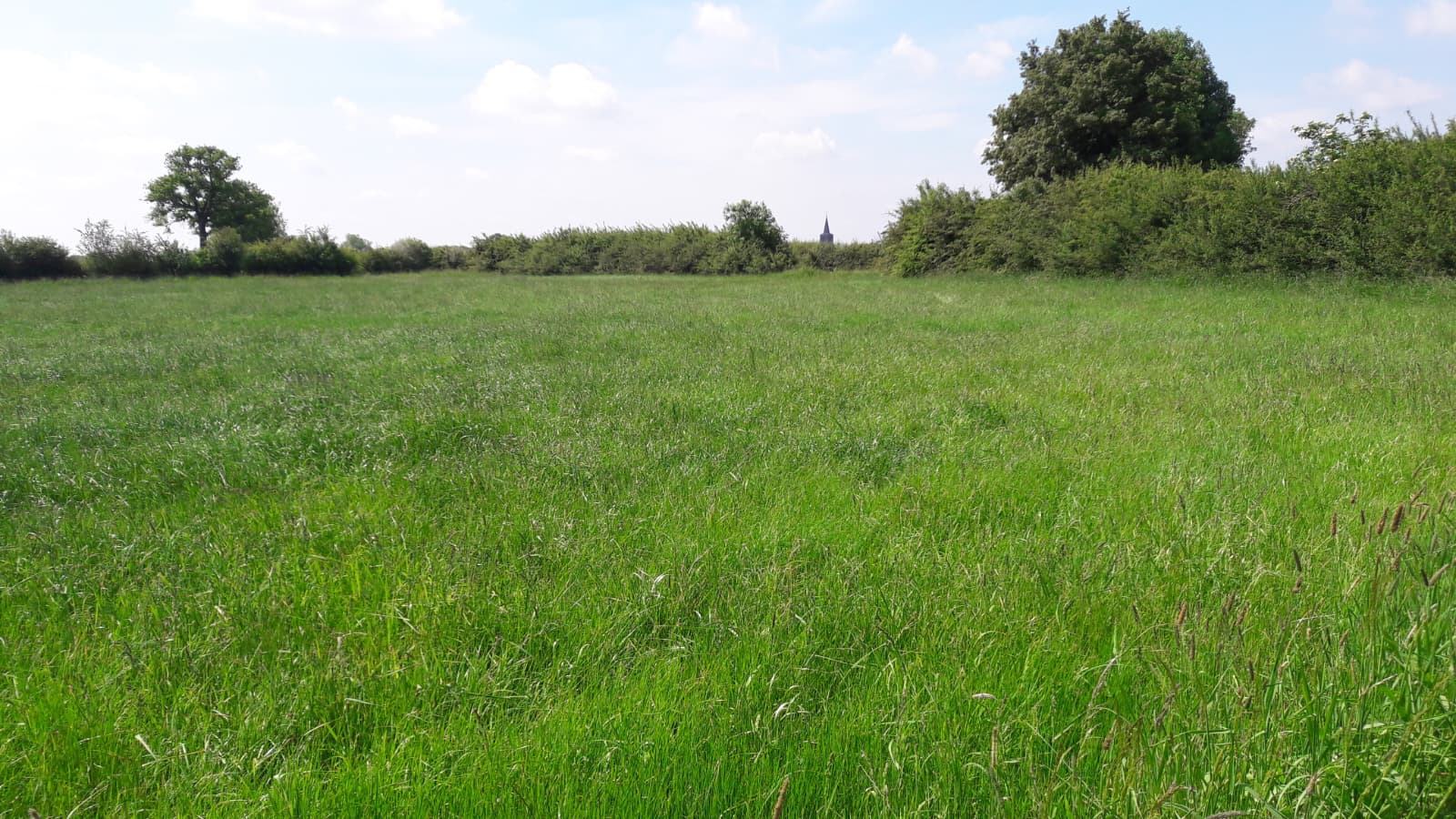
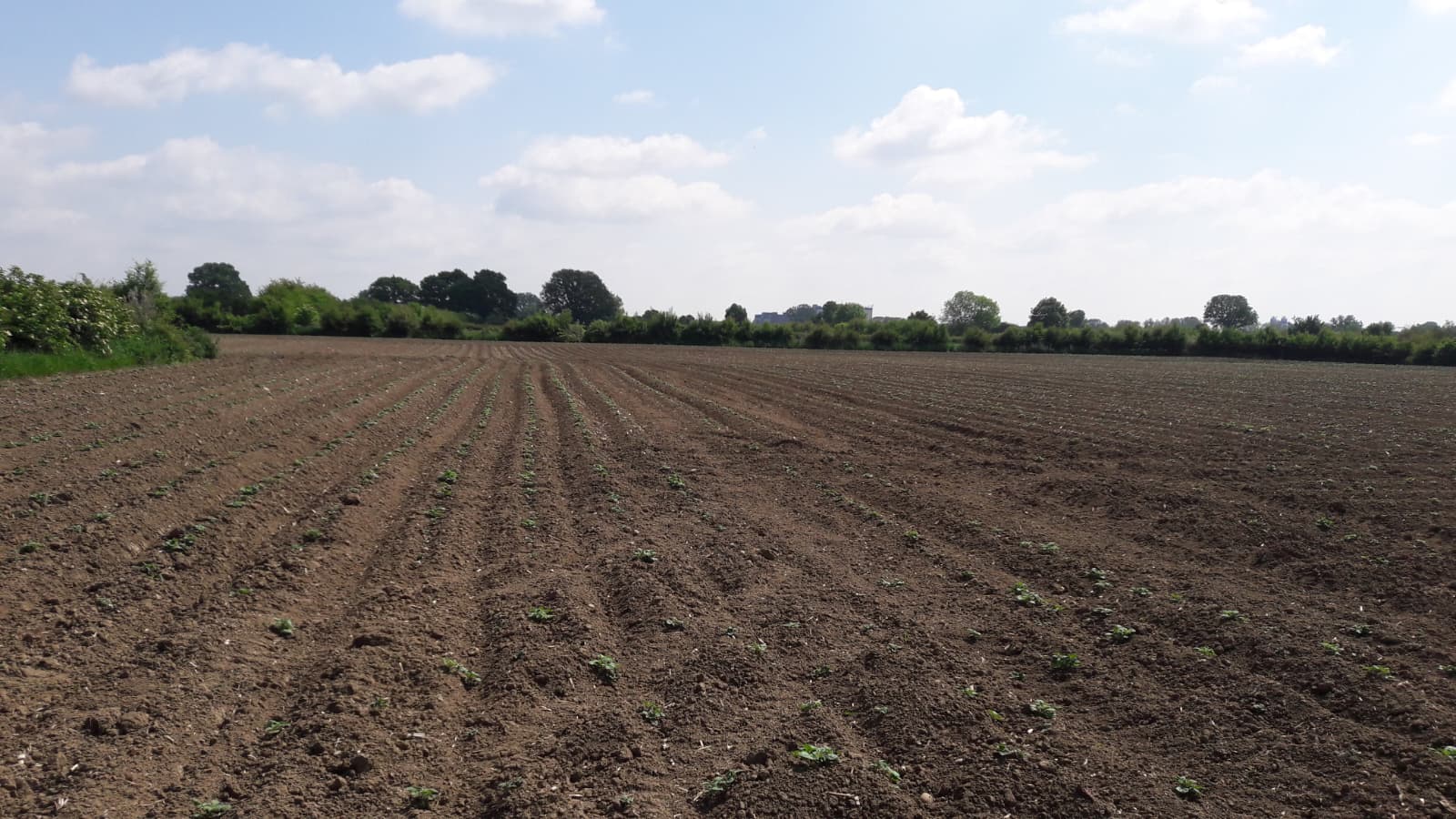
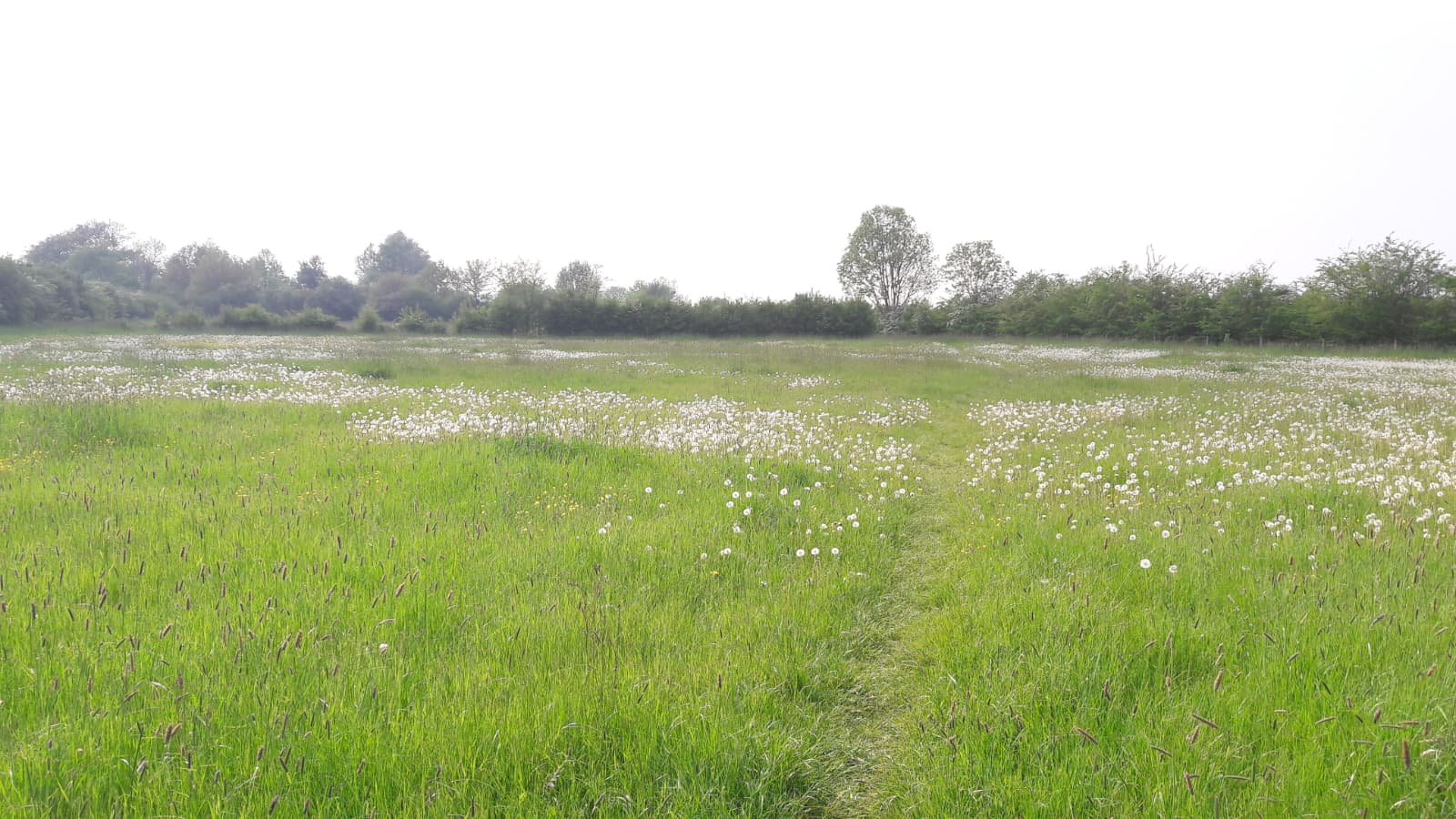
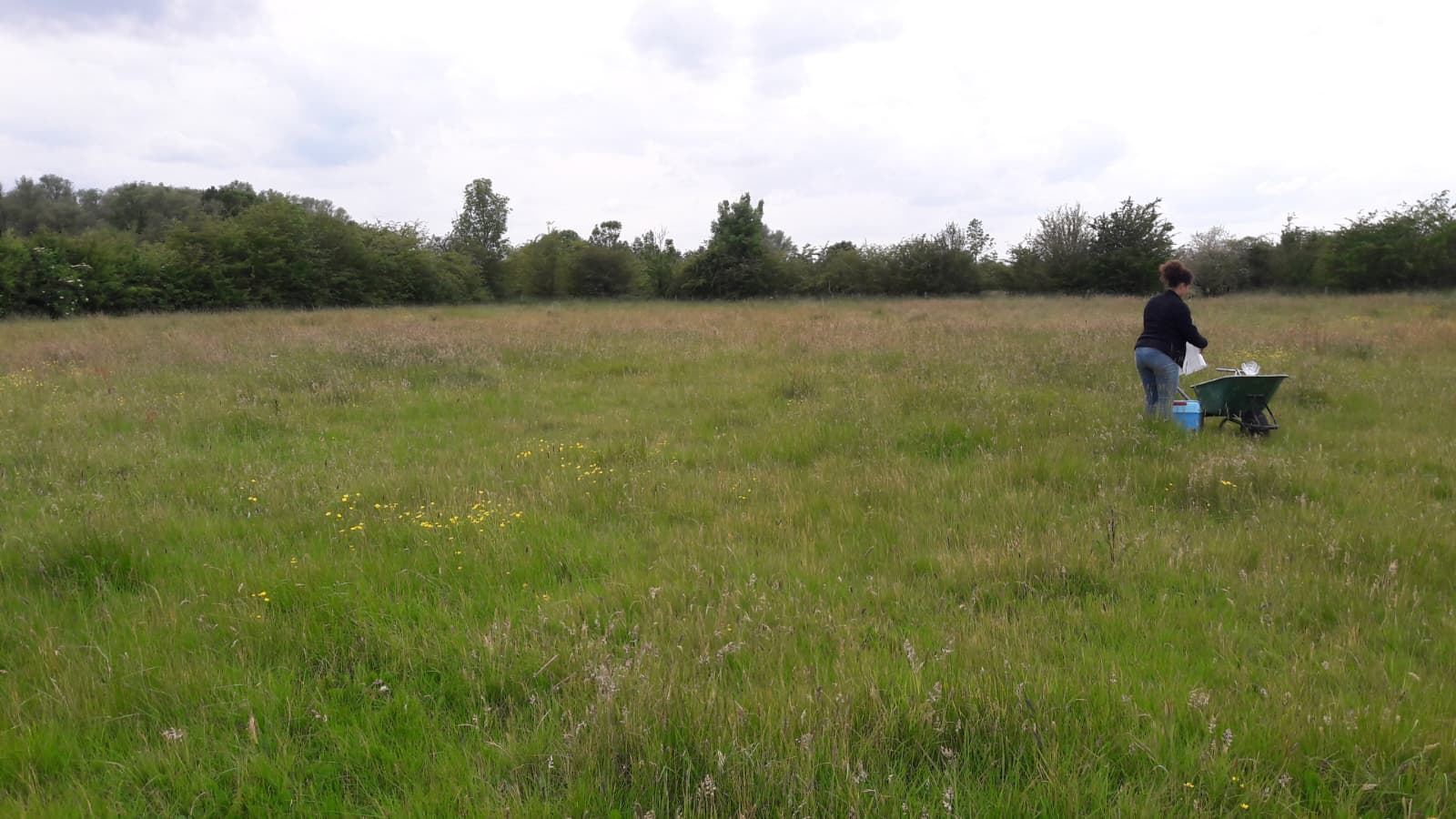
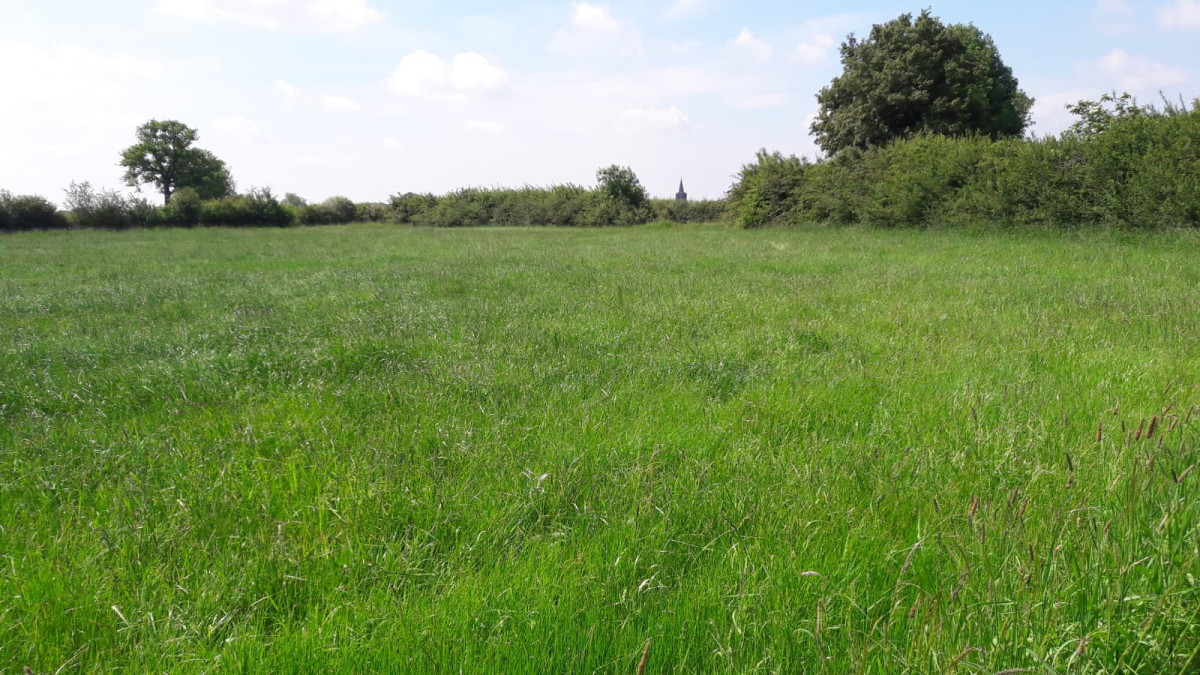
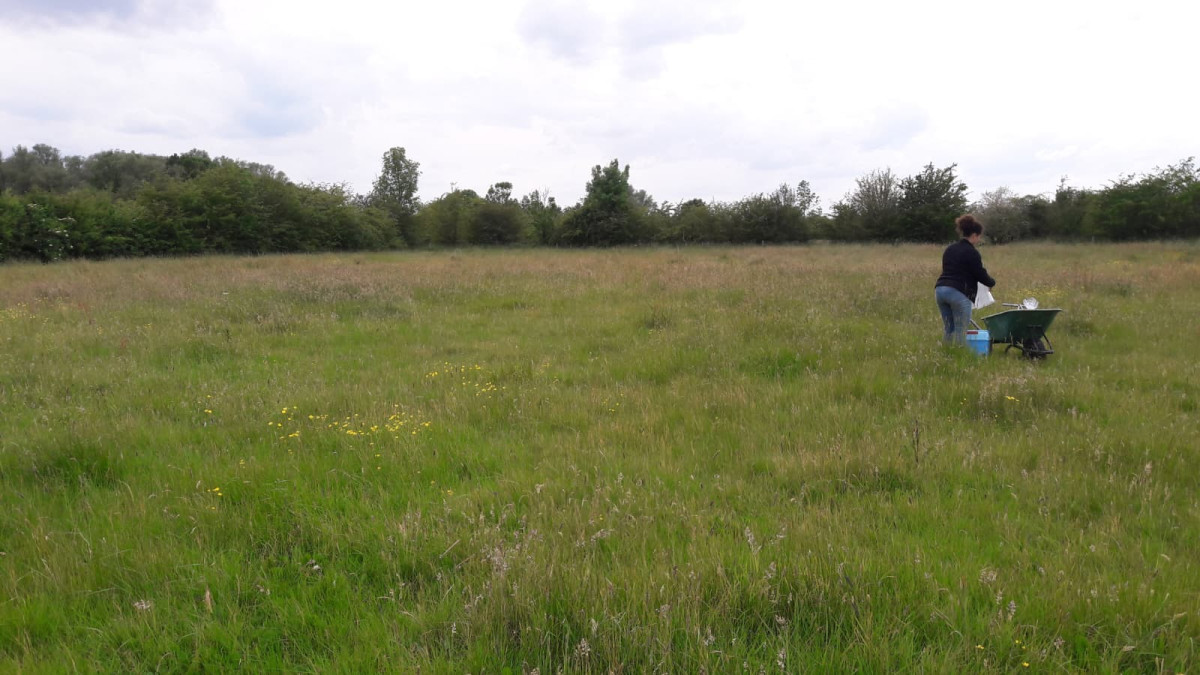
The research is carried out in the Maasheggen, a UNESCO World Heritage area around Boxmeer – between Vierlingsbeek and Cuijk. The Maasheggen is the oldest cultural area in the country. The NIOO ecologists compared three different uses of the soil that are present there: production grassland, production fields and semi-natural grasslands. In the Netherlands, many hedges have disappeared, but in the Maasheggen area you still find many that are at least 100 years old. This not only helps above-ground but also underground biodiversity, and the 'ecosystem services' that this provides. Time for more hedges.
With over 200 staff and students, the Netherlands Institute of Ecology (NIOO-KNAW) is one of the largest research institutes of the Royal Netherlands Academy of Arts and Sciences (KNAW). It specialises in the ecology of water and land: how does nature work? Biodiversity, climate change and the sustainable use of land and water are the important themes for which the researchers use their ecological expertise. Since 2011, NIOO has been located in a sustainably built research building in Wageningen. The history of the research goes back more than 70 years and runs throughout our country, and far beyond.
For more information:
- Researcher Wim van der Putten, Netherlands Institute of Ecology (NIOO-KNAW), tel. +31-317-473400 mail w.vanderputten@nioo.knaw.nl
- Researcher Felipe Zagatto, Netherlands Institute of Ecology (NIOO-KNAW), tel. +31-317-473400, mail f.zagatto@nioo.knaw.nl
- Head of Science Communication Froukje Rienks, Netherlands Institute of Ecology (NIOO-KNAW), tel. +31-6-10487481 / +31-317-473590, f.rienks@nioo.knaw.nl
Link & downloads
-
The scientific paperLand use influences prokaryotes more than fungi in adjacent hedgerow soils, Luís Felipe Guandalin Zagatto, Valerie L. Kalle, Tanja Bakx-Schotman, Ciska Raaijmakers, Koen J.F. Verhoeven, Dina in ’t Zandt & Wim H. van der Putten.
-
MaasheggenagrargrasValerie.jpegPhoto(JPEG). Source: Valerie Kalle / NIOO-KNAW
-
MaasheggenAkkerValerie.jpegPhoto (JPEG). Source: Valerie Kalle / NIOO-KNAW
-
MaasheggendoorkijkValerie.jpegPhoto (JPEG). Source: Valerie Kalle / NIOO-KNAW
-
MaasheggenhalfnatuurlijkgrasValerie.jpegPhoto (JPEG). Source: Valerie Kalle / NIOO-KNAW
-
MaasheggeninmeiNIOOKNAW.jpgPhoto (JPEG). Source: Valerie Kalle / NIOO-KNAW
-
MaasheggenVeldwerkValerie.jpegPhoto (JPEG). Source: Valerie Kalle / NIOO-KNAW