

Student projects: methane-cycling microbes in Greenlandic lakes
Student projects: methane-cycling microbes in Greenlandic lakes
Microbial EcologyContact Person:

Droevendaalsesteeg 10
6708 PB Wageningen
We are looking for a motivated BSc/MSc student who is interested in working with lake water samples and associated methanotrophs at the department of Microbial Ecology at NIOO-KNAW, Wageningen, The Netherlands.
Background
Arctic lakes release methane (CH₄), a powerful greenhouse gas, through the activity of microbes. As the Arctic warms, melting permafrost, changing vegetation, and glacial meltwater are altering the inputs these lakes receive, ultimately affecting methane production and consumption. Two important drivers are dissolved organic matter, which feeds microbes, and dust from glaciers, which can supply rare nutrients that some methane-cycling microbes need. By studying how these changes affect microbial communities and their processes, we can better understand how Arctic lakes are affected by- and contribute to climate change.
Objectives
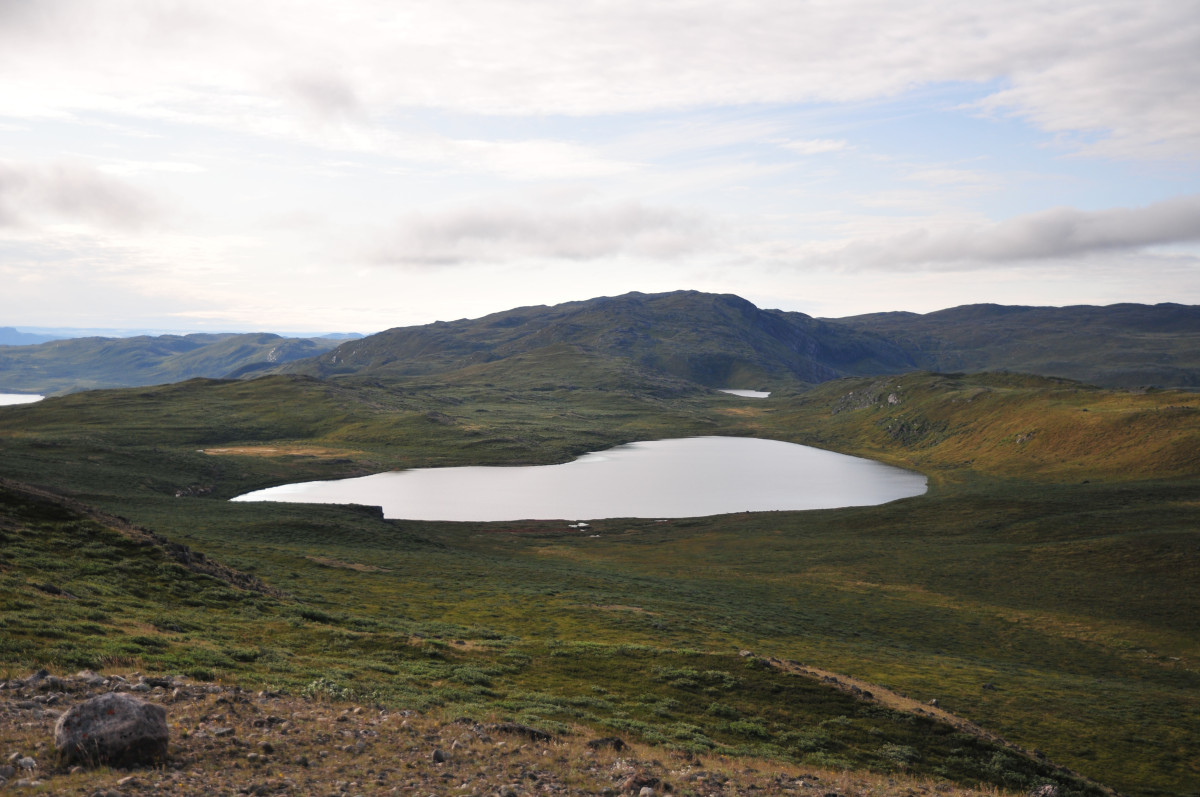
Within the CLIMET project (https://nioo.knaw.nl/en/projects/climet-climate-feedbacks-and-methane-cycling-in-arctic-lakes-enzymes-to-atmosphere), we work with water samples collected from 50 lakes in West Greenland. Internship projects will focus on microbial methane cycling, with opportunities to work along complementary research lines:
Microbial process experiments
Conduct incubation experiments to quantify how glacier dust and dissolved organic carbon influence methane consumption in lake water. This project aims to clarify key biogeochemical interactions that govern methane oxidation in Arctic lakes.
Microbial cultivation and identification
Isolate, cultivate, and identify bacteria from lake water samples, with a focus on methanotrophs and associated heterotrophs. Establishing cultures will support future mechanistic studies on how glacier dust, DOM, and microbial interactions affect methane consumption.
Bioreactor design
We aim to upscale our experiments to a larger setup. For this, a custom bioreactor needs to be designed that closely mimics the conditions in the lake’s water column. Developing such a setup will enable us to perform more in-depth investigations on microbial interactions.
Training opportunities
- Working with unique environmental samples from Greenland
- Hands-on experience with methane-oxidising bacteria
- Cultivation and identification of environmentally relevant microbial taxa
- Designing and developing a bioreactor system to mimic lake conditions
- Exposure to interdisciplinary Arctic ecosystem research
- Insight into how climate change shapes biogeochemical processes in high-latitude lakes
Your background and project setup
The project is quite flexible, and can take shape as a BSc/MSc project/internship. The duration and start date are negotiable but preferably spring 2026. Candidates are welcome to bring their own ideas to the table for this project. We prefer a strong background in microbiology, and previous lab experience is valuable. Supervision by Dr. Paul Bodelier, daily supervision by Dr. Ate Jaarsma (contact person) and Erik Lindemann. Work takes place at the department of Microbial Ecology, Netherlands Institute of Ecology (NIOO-KNAW), Wageningen, The Netherlands.
Contact
If interested, please send a CV + motivation to Dr. Ate Jaarsma a.jaarsma@nioo.knaw.nl. In your motivation letter, please indicate which of the research lines interests you most and briefly explain how your background or goals align with that choice. This will help us match applicants to the most suitable project.