

Paul Bodelier appointed professor of Functional Microbial Ecology in Nijmegen

Paul Bodelier appointed professor of Functional Microbial Ecology in Nijmegen

Press inquiries

NIOO scientist Paul Bodelier has been appointed as professor of Functional Microbial Ecology at the Faculty of Sciences in Nijmegen, the Netherlands.
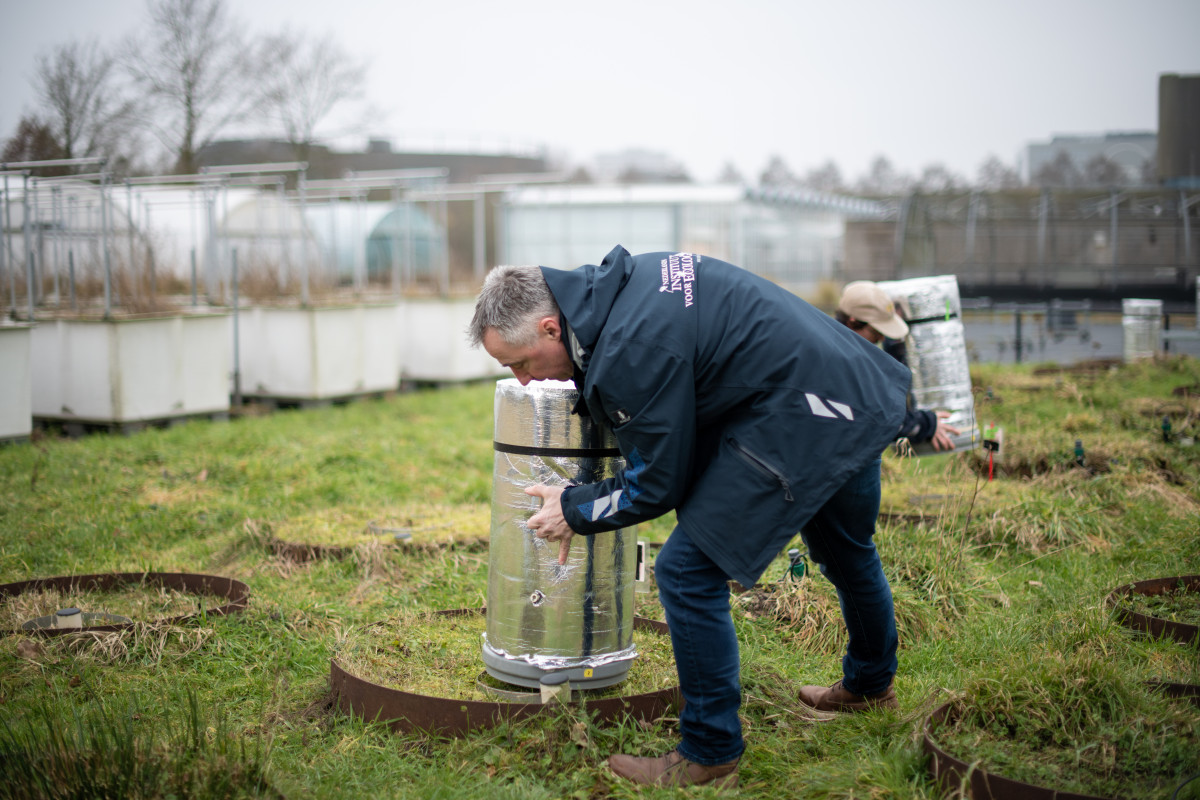
Interactions between microbes and their biotic and abiotic environment, that is what Paul Bodelier studies. He focuses on the functional ecology of microbes involved in biogeochemical cycling of carbon and other nutrients in aquatic and terrestrial ecosystems.
Greenhouse gasses
Bodelier's favourite target groups are microbes involved in greenhouse gas production and consumption. Here, his research combines microbiological, biogeochemical, molecular biological, analytical chemical, as well as isotopic approaches to link traits of microbes to ecosystem functions. What makes this work unique is that it spans multiple levels of biological organisation. Bodelier’ s position in Nijmegen will help to even further broaden this research by connecting microbial genes to ecosystem functions.

I truly hope to elucidate the importance of microbial interactions with the biotic and abiotic environment for the functioning of wetland ecosystems.
Nitrogen in the wetland
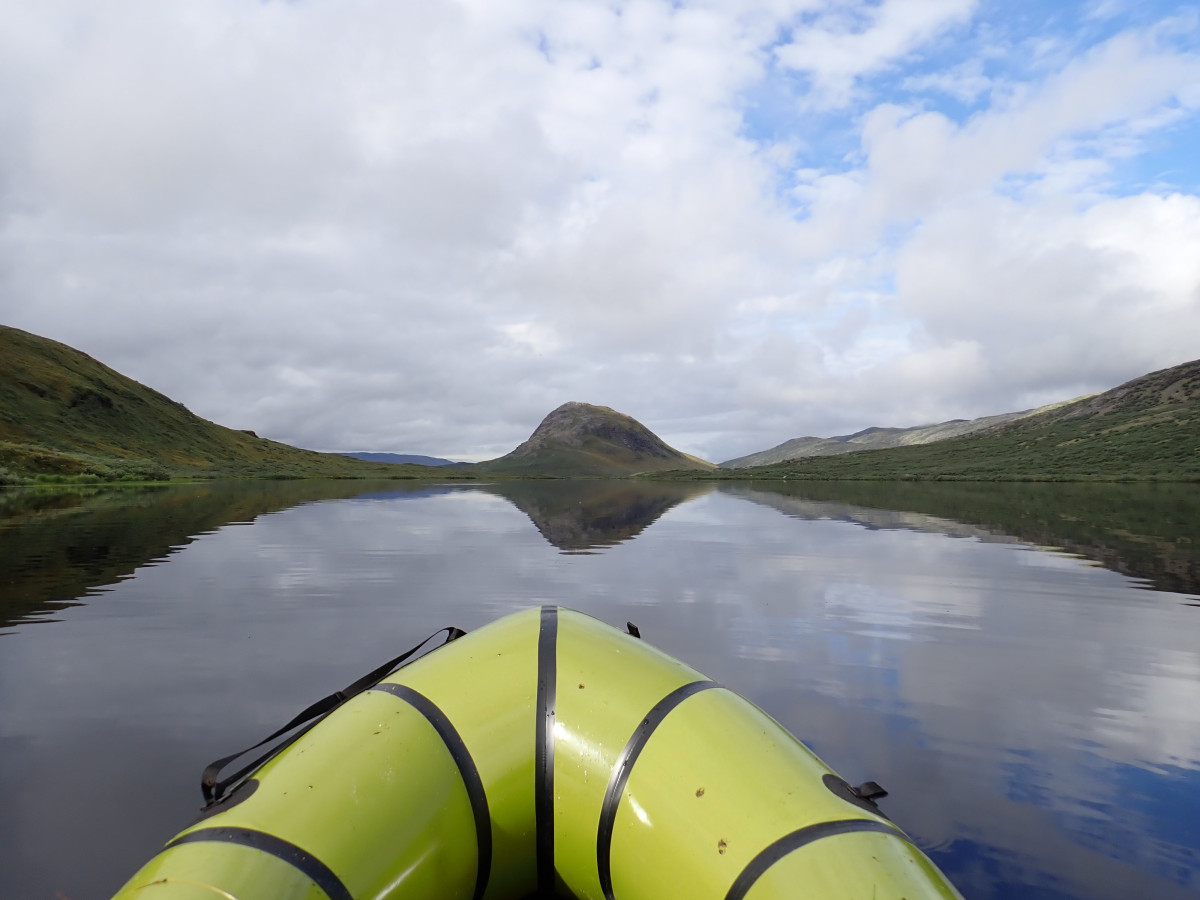
Paul Bodelier (1966, Kerkrade) started his academic career at Radboud University, where he obtained an MSc degree in Biology with a specialisation in Ecology in 1991. He stayed in Nijmegen to pursue his PhD (carried out at the Netherlands Institute of Ecology, Heteren) in which he focused on nitrogen cycling in the rhizosphere of wetland plants. He studied this both in field sites, such as the Oude Waal near Nijmegen, as well as in specially constructed microcosm systems to examine specific combinations of plants and bacteria. He obtained his PhD in 1997 with the thesis 'Nitrification and denitrification in the rhizosphere of Glyceria maxima: The plant gives… the plant takes'.

Rice paddies
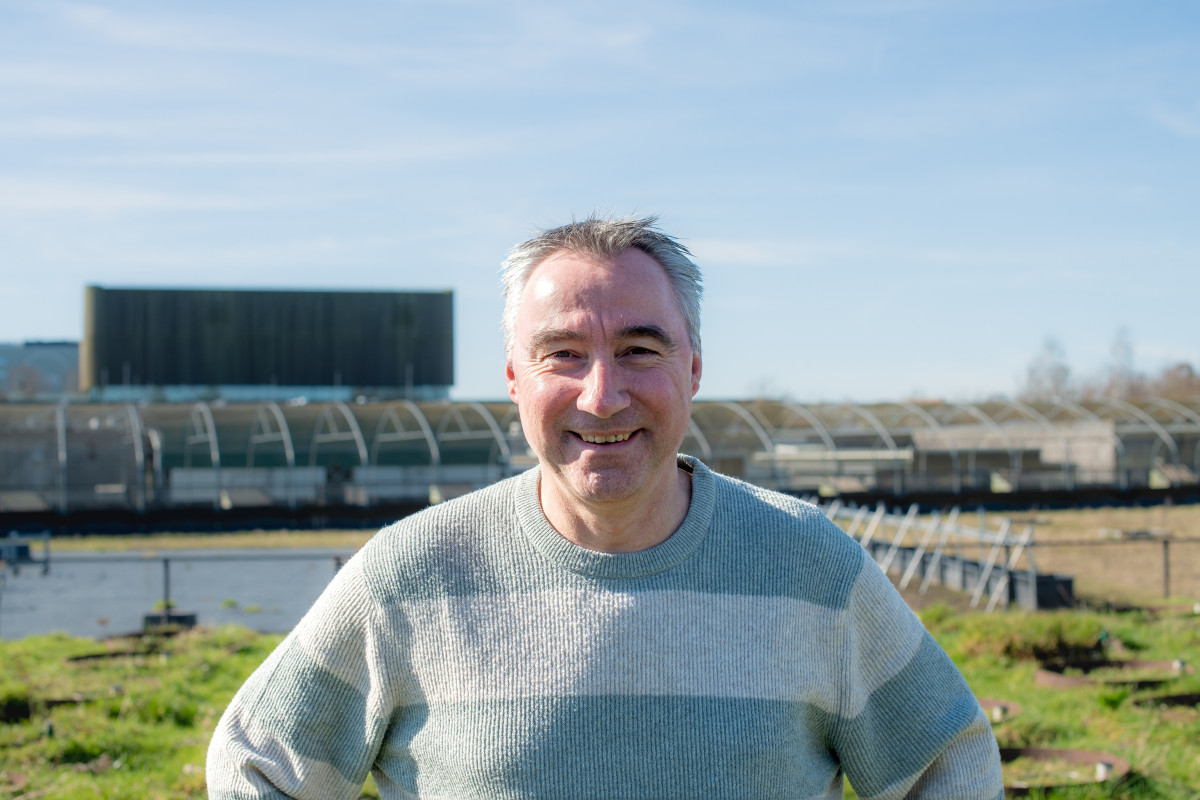
Following his PhD trajectory, Bodelier joined the Max Planck Institute for Terrestrial Microbiology in Marburg, Germany, as postdoctoral researcher. Here, he investigated the microbiology of methane emission from rice paddies. In 1999, he started a second post-doc position at the Centre for Limnology of the Netherlands Institute of Ecology (NIOO-KNAW) in Nieuwersluis. This position was continued as tenured position at the same institute in 2008. It moved to Wageningen in 2011 to unite with the research centre from Heteren. As of 1 February 2026, Paul Bodelier has been officially appointed professor of Functional Microbial Ecology next to his work at NIOO.
Prof. Bodelier has acquired funding from various sources, such as EU-ESF, EU-EFRO, NWO-NWA, NWO-open, NWO-TTW (Open and Perspective) and has led two European projects (EU-ESF). In addition to his research, Bodelier has worked in various editorial and other positions, such as:
- Chief editor Frontiers in Terrestrial Microbiology (2010-2022)
- Section editor Plant and Soil (2012-present)
- Editorial board member ISME Journal (2012-2021)
- Editorial board member Applied and Environmental Microbiology (2000-2024)
- Chair of the works council NIOO-KNAW (2012-2024)
- Member of the works council KNAW (2012-present)
- Chair of the works council KNAW (2024-present)
- Expert member of the Ecological Authority
- Expert member of the committee MER (Committee for Environmental Impact Assessment)
This news is also shared via the website of the Radboud University.