Open Day programme
Activity overview
We love to share what ecology is, why it is important and what we are studying exactly. And we will not only do that by talking, but also by involving visitors in stories, games and experiments.

Facts and figures
-
- Activities
- 50
-
- Opening Hours
- 11:00-17:00
-
- Friends in Nature
- 11
-
- colleagues & students
- >200
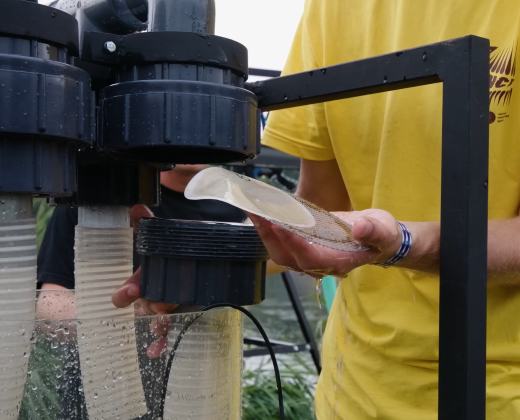
Filter the pond
The ‘Water Report’ shows that the water quality in the pond leaves a lot to be desired for our research institute. We need your eco-friendly muscle power to filter our water clean. Come and lend us a hand (or a foot) and find out how it works...
Insect memory under the microscope
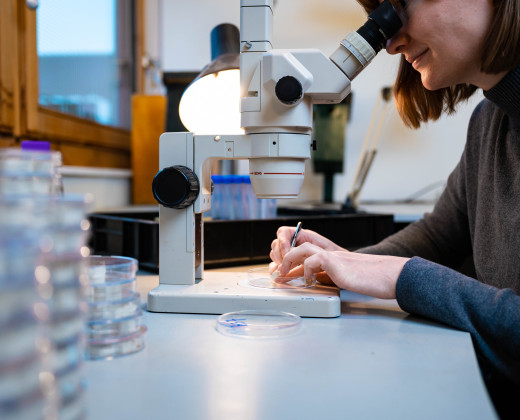
In this game, you can choose from 11 different cards. Each card features a different insect, along with clues about its powers and characteristics. Can you spot that insect species under the microscope?
Geese & GPS
Discover the hidden lives of geese with the help of modern technology. Learn how scientists use AI to recognise and count brant geese in large flocks, track barnacle geese with GPS transmitters during their daily flights and annual migrations, and find out which transmitters researchers can use to discover where geese travel to.
Live Science bird ringing
Come and join us at the Ringing Table, where professional bird ringers will be demonstrating today how to ‘ring’ wild birds. A small, lightweight metal ring acts as a bird’s passport, bearing its own unique code. Can you decipher the code from a distance?
Solve the tulip mystery
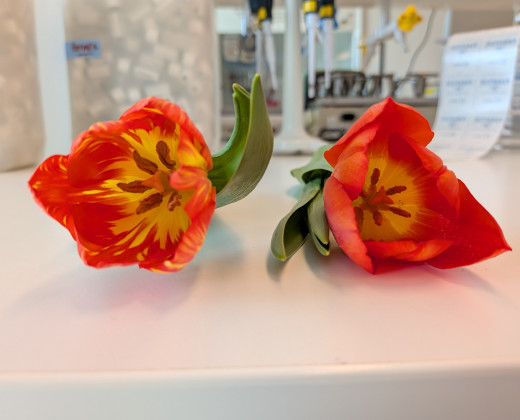
Plants and micro-organisms can be the best of friends, each other’s worst enemies, or anything in between. But can you work out who does what? Take a close look at Dutch tulips with their spectacular colour patterns. Which microbes are behind them? Do they help the plant, or do they actually make it sick? Put on your detective’s hat and see if you can solve the mystery...
World of microbes
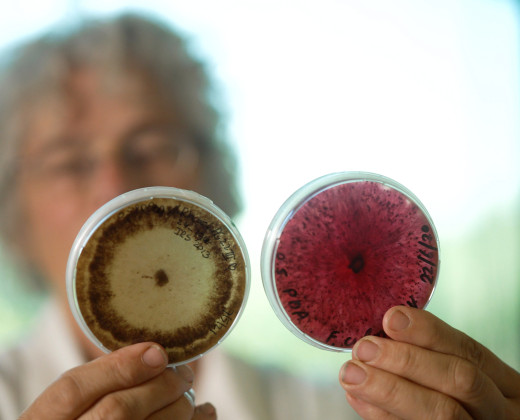
Micro-organisms are everywhere: in the soil, in plants, in water and in unexpected places all over the world. Come and meet some of our favourite microbes, find out more about our research up close on the Galápagos Islands, and, of course, take your own microbe selfie!
The breath of the lake
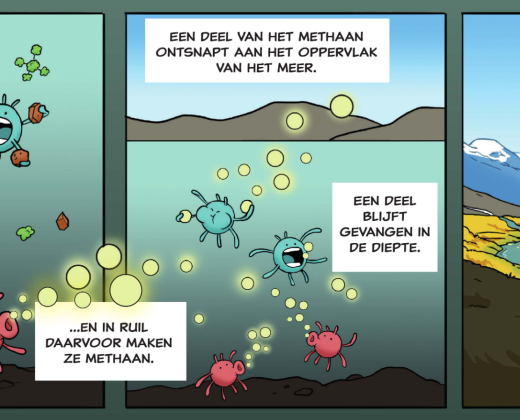
Even lakes ‘breathe’ – though not quite in the literal sense… Their ‘breathing’ of methane is caused by microorganisms. Come and visit us to discover how they protect our air from methane, see the equipment we use to study them, and find out whether you breathe out methane yourself!
Catch the water monsters!
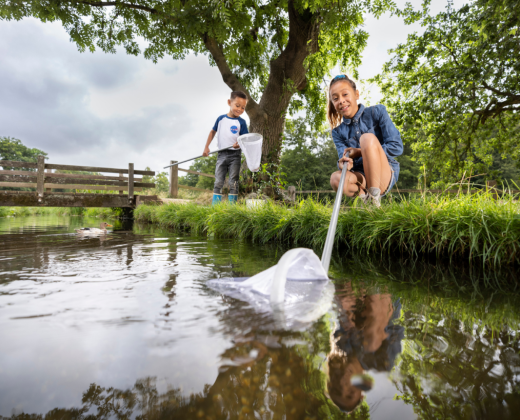
Can you find any water monsters (or, in other words, aquatic animals) in our pond? And if so, which ones? Grab a landing net and then take a closer look at your monster under a microscope. You can then use an identification chart to find out which water creature you’ve caught. This activity will take place under the guidance of the Dutch Water Museum in NIOO’s experimental ponds.
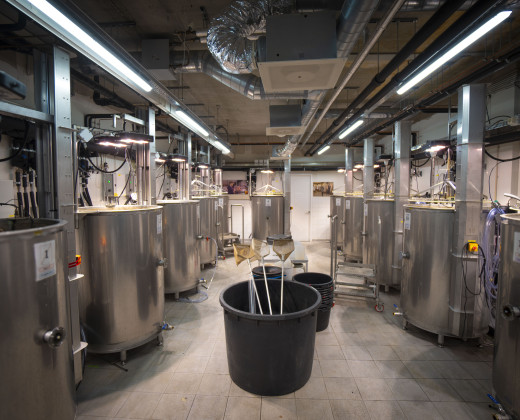
Limnotrons: mini lakes in the lab
The limnotrons are mini lakes that can be used to test a range of novel conditions in a near-real world setting. Testing how lakes respond in the future is key to understand our changing world. Come see the limnotrons and the exciting research we do with them.
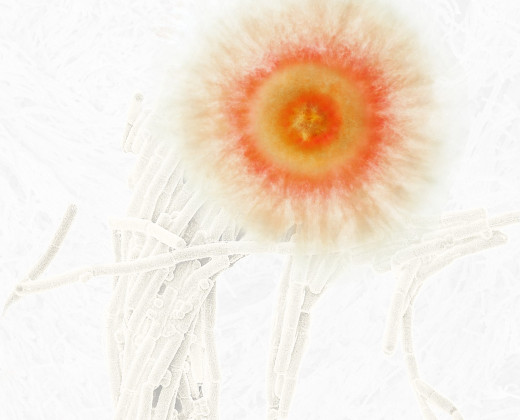
Tiny microbes, amazing scents
Underground, soil bacteria and fungi cannot use words so they talk with molecules. They release volatile organic compounds (VOCs) that move through air pockets in the soil. There, plants, animals and other microbes respond to them. Do you want to smell a living bacterial colony? Will you come and see how we trap microbial VOCs?
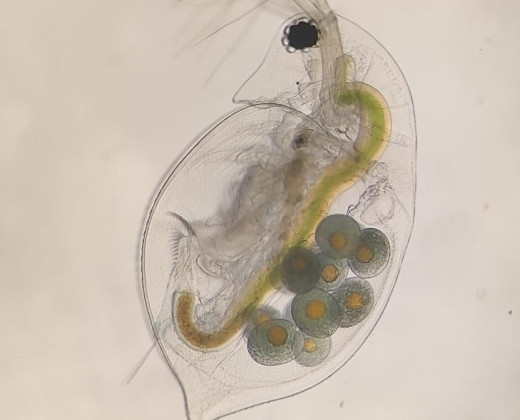
Scope the world of the water flea
Water fleas are very tiny, yet important animals: they filter the water in lakes and ponds. To capture their changes and responses to environmental impacts, we need to make them visible to the naked eye. Here we showcase different ways to study waterfleas and let you experience handling the animals yourself.
Algae museum & pin the cyano
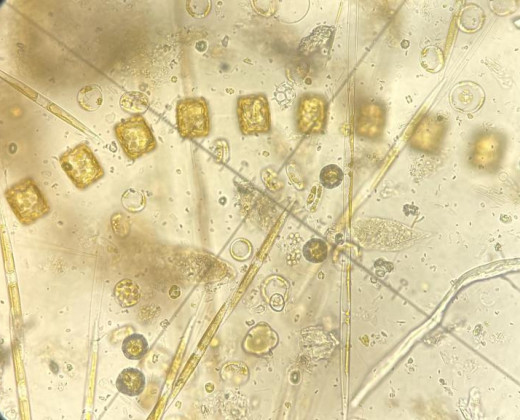
Step into the wonderous world of thee microscopic algae. They are instrumental for life on earth, but they also cause harmful blooms. In the museum, people of all ages can research phytoplankton and their suite of traits themselves.
Sparrow in shining armour
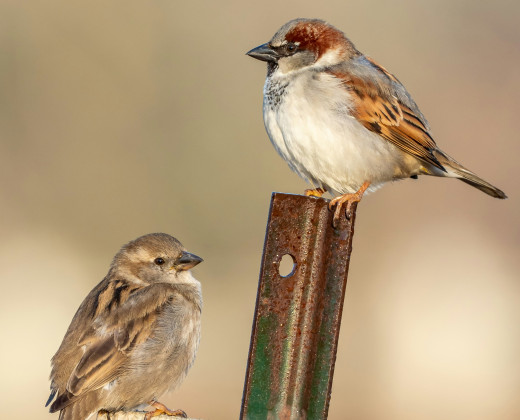
Did you ever wonder how female birds choose what males to mate with? In this game, we have a look at the traits of four different house sparrow male candidates to help the female choose the best suitor. Will it be the caring dad or perhaps the territorial bad boy? Come and find out!
Mealworms or seeds?
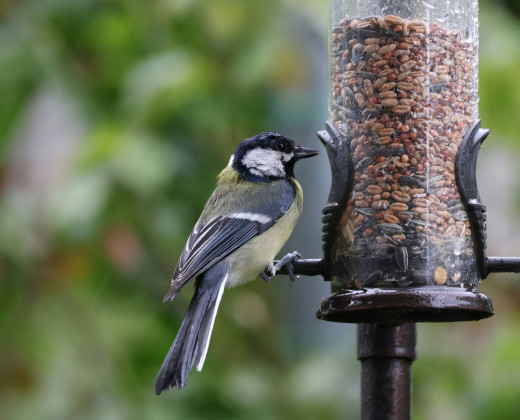
Choose a great tit, visit our bird feeders, and discover how the food your bird eats could affect its gut bacteria. And why that matters for its behaviour.
Hole-nesting birds
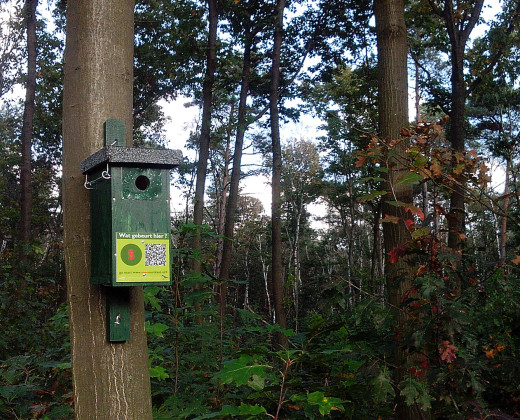
For more than seventy years, NIOO-KNAW has been studying hole-nesting birds, with data from over 80,000 broods and 580,000 birds. Discover the history of Dutch nest box monitoring. Why and how does NIOO conduct long-term studies? How do we integrate datasets globally? And how are new technologies modernizing bird monitoring?
Aviary
Visit the great tit's at NIOO. You can see and hear them from up close. Do you know what the males and females look like? In the aviary, you can see how the birds live. A researcher will be present to answer all your questions.
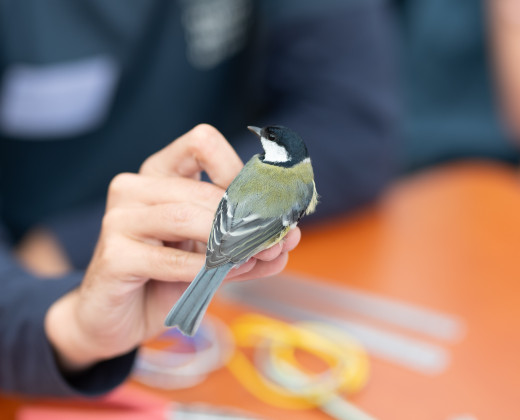
Birdring game
There are so many different birds, which sizes of rings do they get? Try to find out in our birdring game!
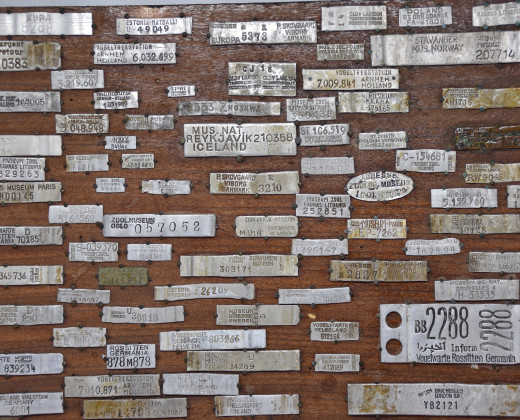
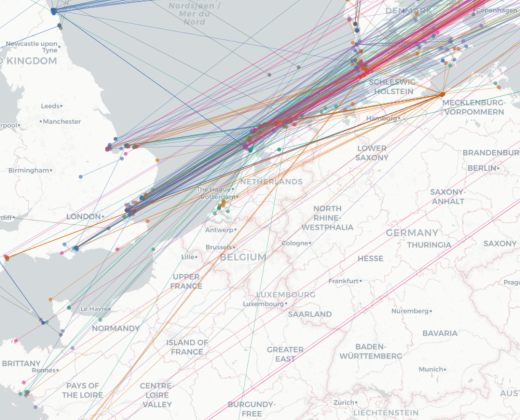
Migration Route Quest
Are you curious about all the dangers and challenges that migratory birds face on their journey, and how they manage to make such a long trip? Take part in the Great Migration Route Quest across the NIOO grounds and step into the shoes of a migratory bird.
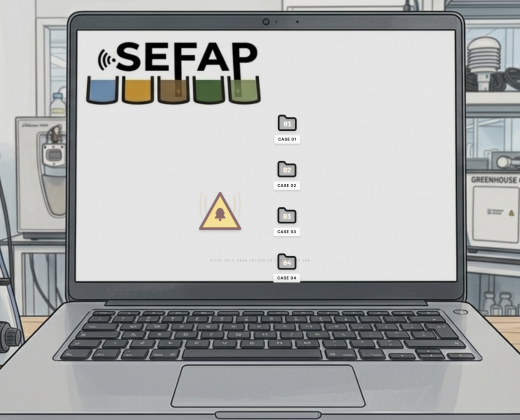
Lab escape
Can you crack the case in five minutes? Step into SEFAP Lab Escape, a hands-on mini escape room where you are the scientist. To solve this science mystery, you'll use real ecological detective work, from DNA traces to gas leaks. Fun for all, no lab coat required!
Conversation corner
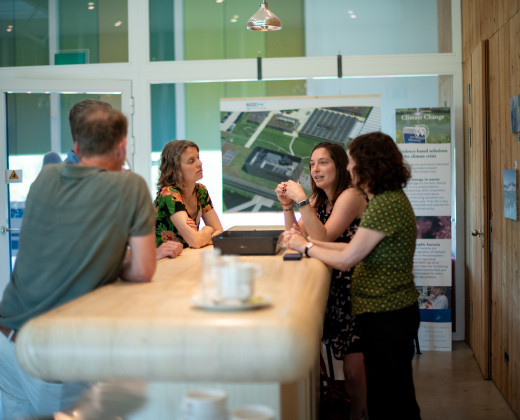
Would you like to have a chat with one of our ecologists? Someone will be present all day at the Conversation corner to answer your questions and listen to your suggestions and ideas.
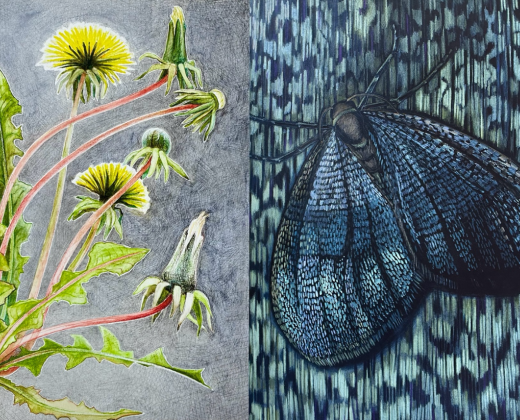
Art x Science exposition: 'Unscientific observations'
Marvel at nature’s ingenuity with Nikki van Es’s series of artworks. Discover how NIOO’s research is reflected in them, for example in the dandelion and the winter moth. Or step inside the little greenhouse and, amongst the plants, ponder the future.
Music by BioMusica
Biologist and songwriter Xander de Lugt loves listening to animals – and especially to what they have to tell us. He has set their stories, adventures and thoughts to music. And it turns out we’re more alike than you might think!