Droevendaalsesteeg 10
6708 PB Wageningen
The Netherlands
I am broadly interested in the ecology, evolution, and physiology of host-microbe interactions. I am now a postdoctoral fellow with Mark Zwart, interested in natural long-term experiments in plant virus evolution on the mutualism-parasitism continuum.
Viruses are ubiquitous genetic elements that infect plants, in which they are best known as parasites and pathogens of human crops. However, they are also known to be asymptomatic and even in some circumstances beneficial for host plants, suggesting that plant viruses should actually be thought of as falling on an eco-evolutionary continuum between parasitism and mutualism. The ability of plant viruses to evolve during host infection, combined with the theoretical immortality of plant individuals by clonal propagation, provides opportunities for scientists to study plant-viral interactions as evolving symbioses whose costs and benefits vary with the selective pressures these associations experience.
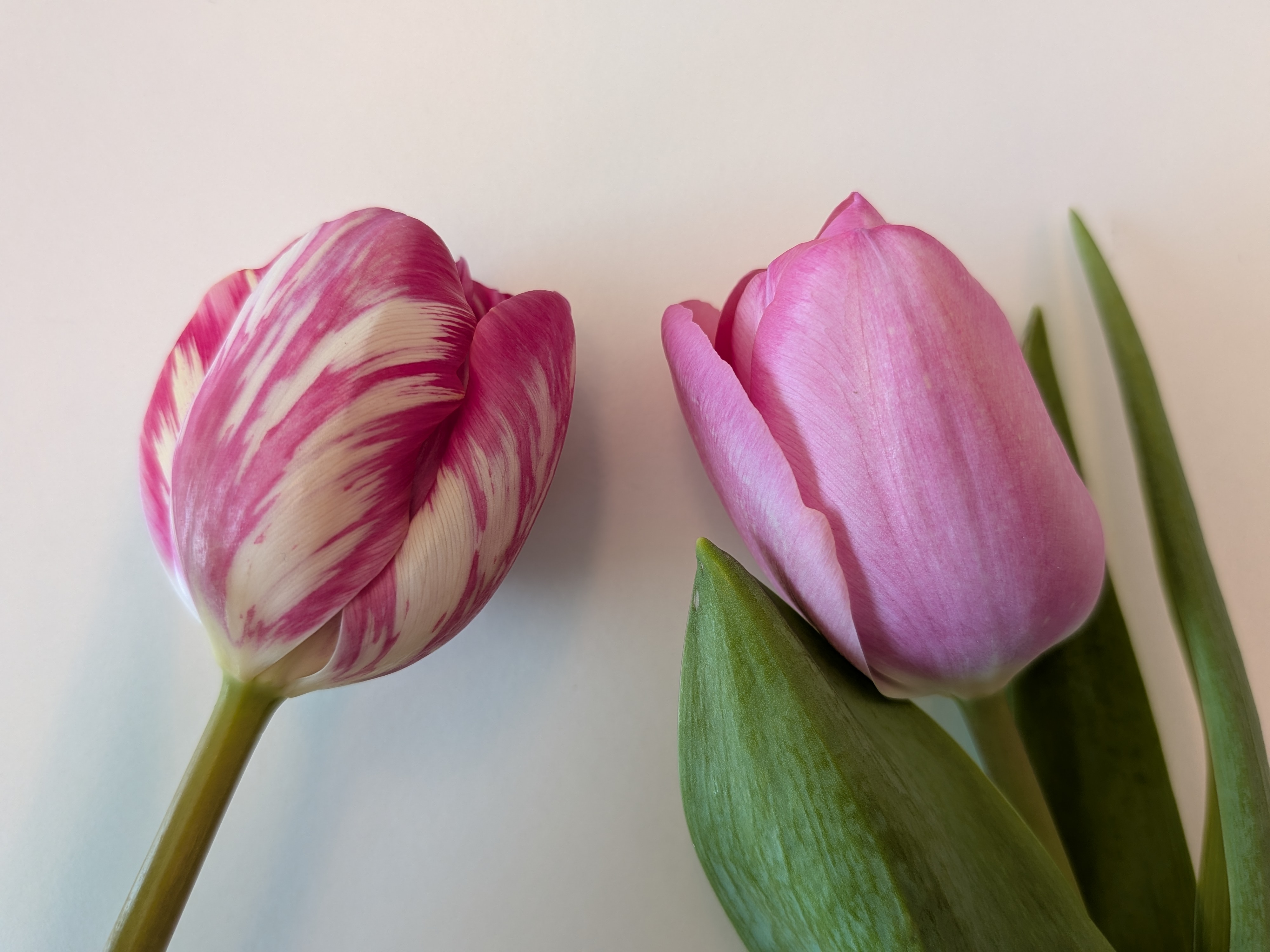
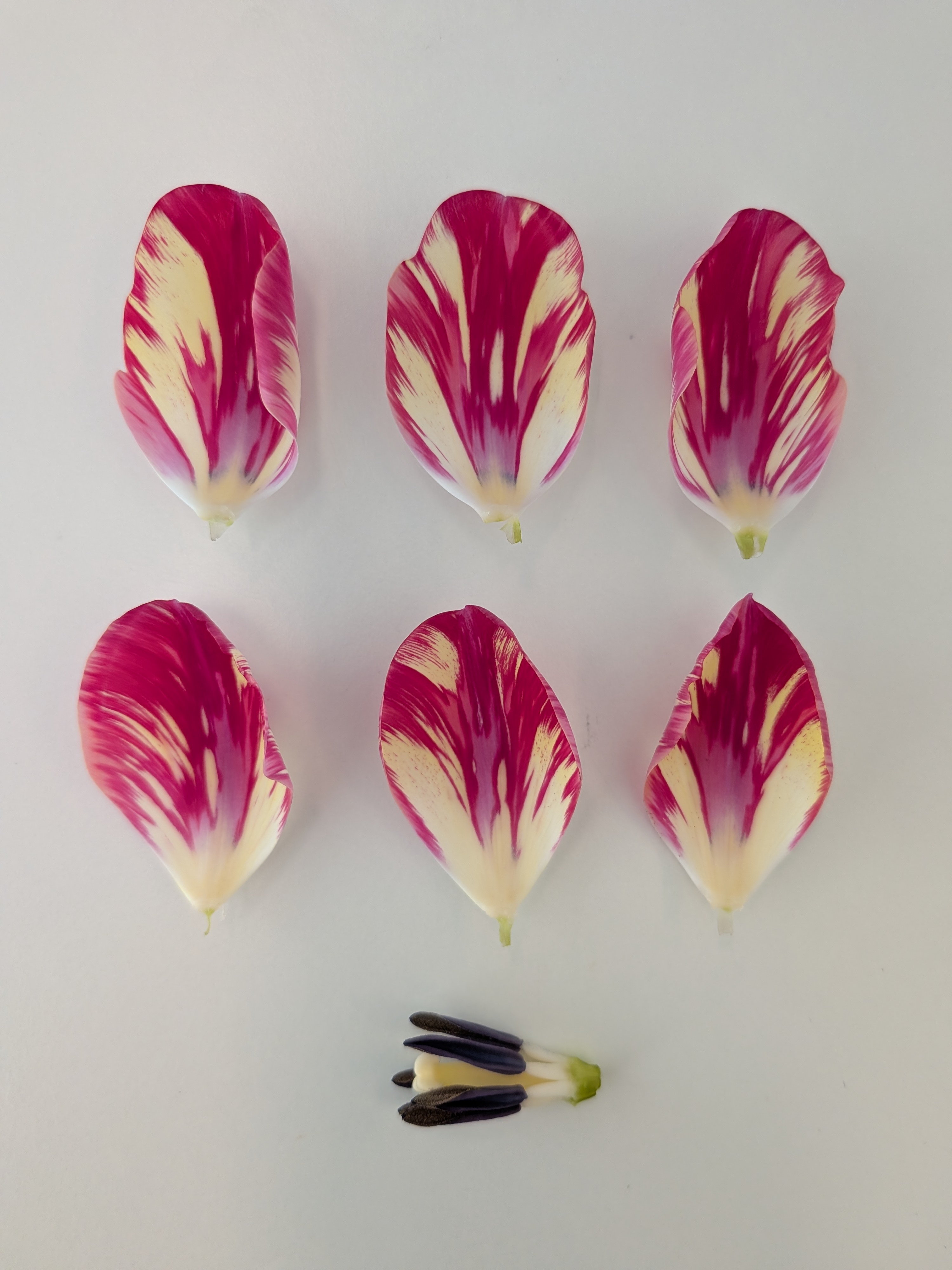
Tulips clonally reproduce on an annual cycle by forming bulbs, and have been valued as ornamental plants by Europeans since the late 1500s. Among the many pests and pathogens of tulip crops in Europe are potyviruses collectively known as tulip-breaking viruses, which cause conspicuous color breaks in the petals. Infected clonal lines in cultivation experience strong negative selection in the form of gradual plant decline, but also positive selection should they be chosen for propagation by horticulturalists due to the unusual color pattern of their flowers. Although most tulips that were infected with tulip-breaking viruses have died out, cultivars of the so-called 'Rembrandt' group have been maintained as clones for hundreds of years, still valued specifically for the color breaks conferred by long-term viral infection. I am interested in how viruses have evolved in these tulips as costly mutualists, by conferring a novel and beneficial phenotype in cultivation while potentially also incurring a cost to asexual reproduction.